Georgetown, King County
Removing creosote from a Georgetown flue starts at $245. Light, flaky deposit that comes off with rotary whips is the starting point. Thick, tarry buildup, or the hard glaze that forms when smoke condenses on a cool flue, may need a chemical modifier left to work and a second visit to brush it out, which raises the cost. Before quoting, the camera shows us the stage of the deposit.
Typical investment
From $245
Book an inspection
Book your $99 inspection
$99 plus tax, deducted when you approve the repair
Not sure where to start
Pick what you're seeing at your Georgetown home — we'll point you to the right fix.
What we do
The same crew, the same written quote — for Georgetown homes.
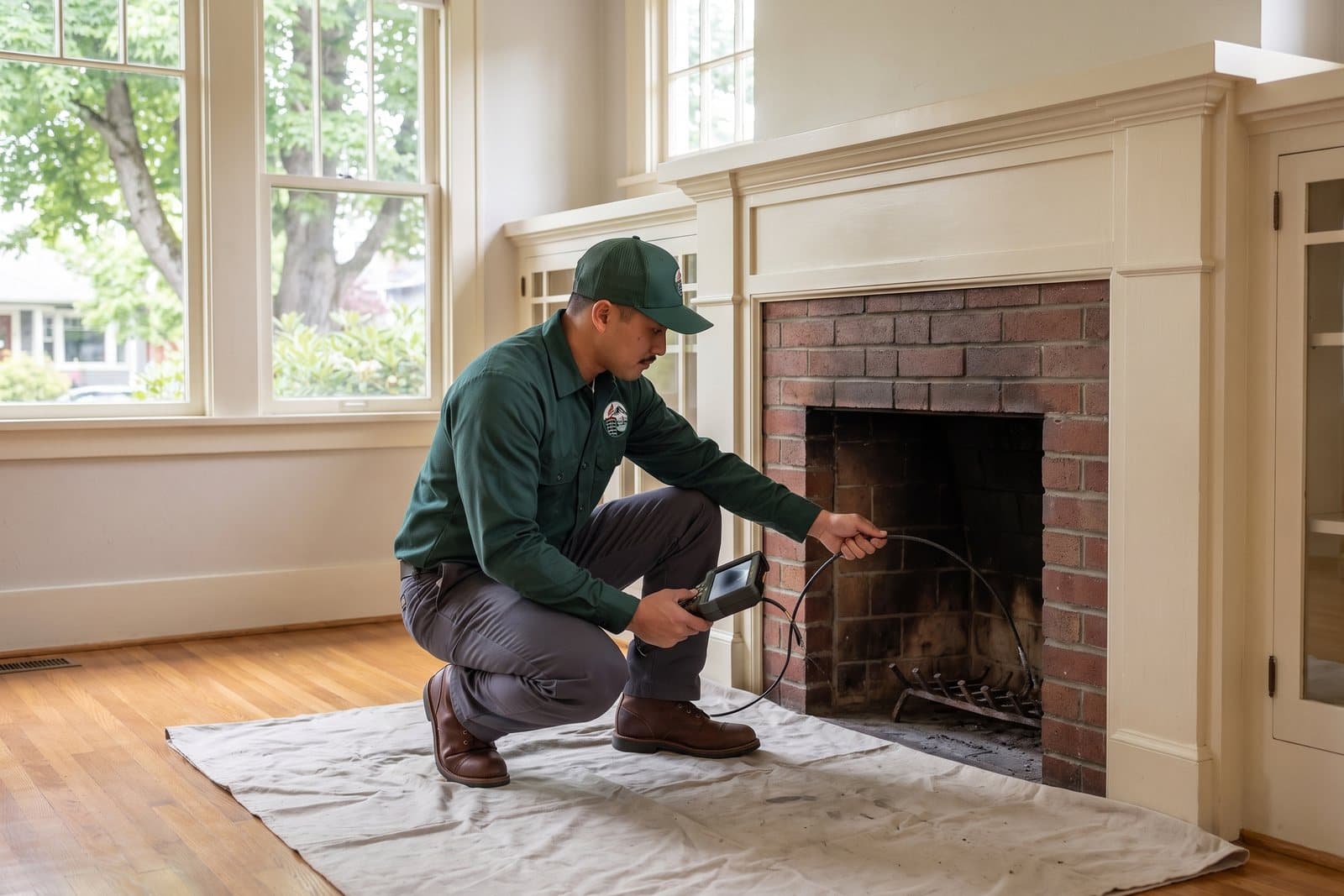
Level 1: every reachable component checked, with a Level 2 camera run added if something stays unclear
Learn more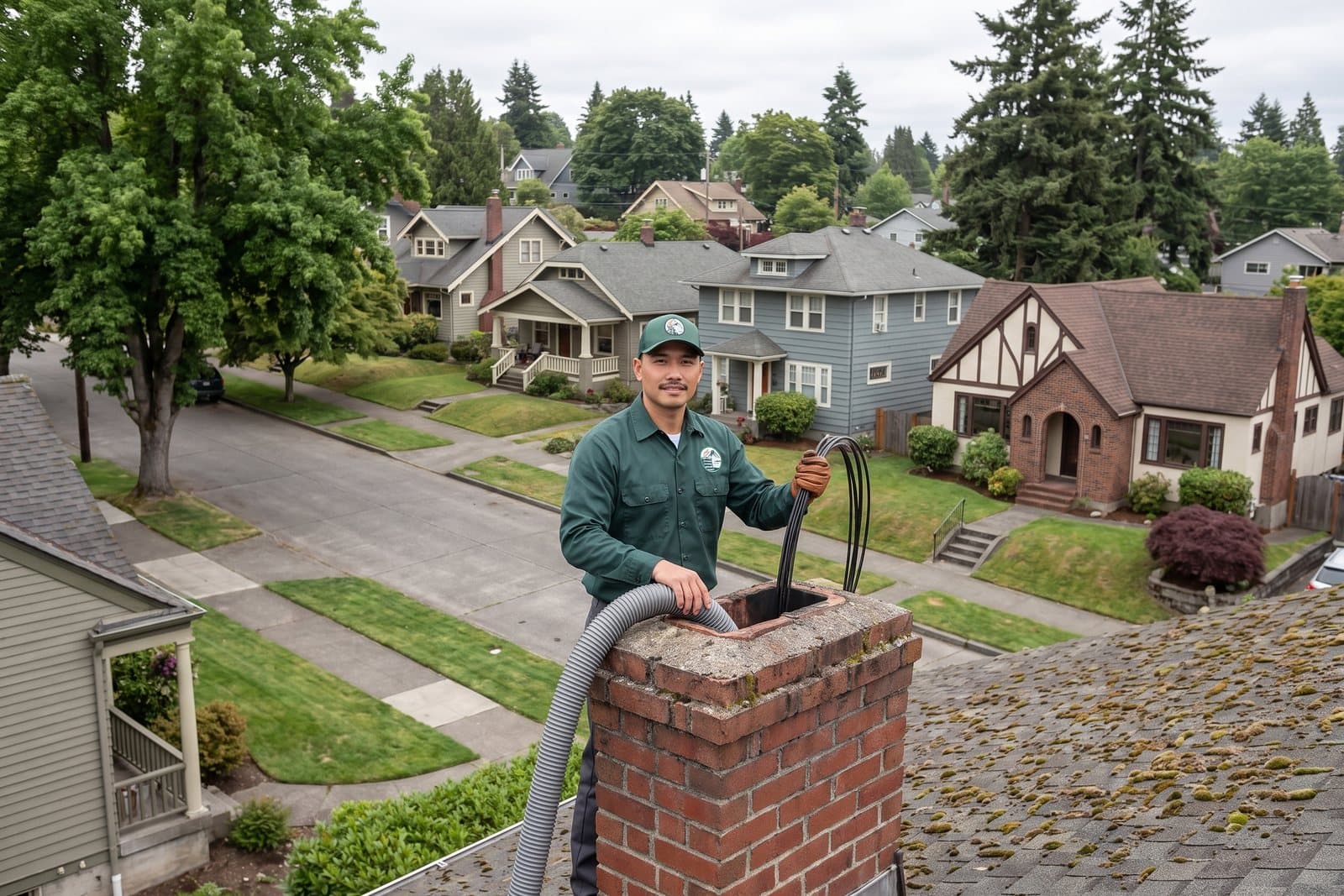
Full-height brushing with a head chosen for clay tile or metal liner
Learn more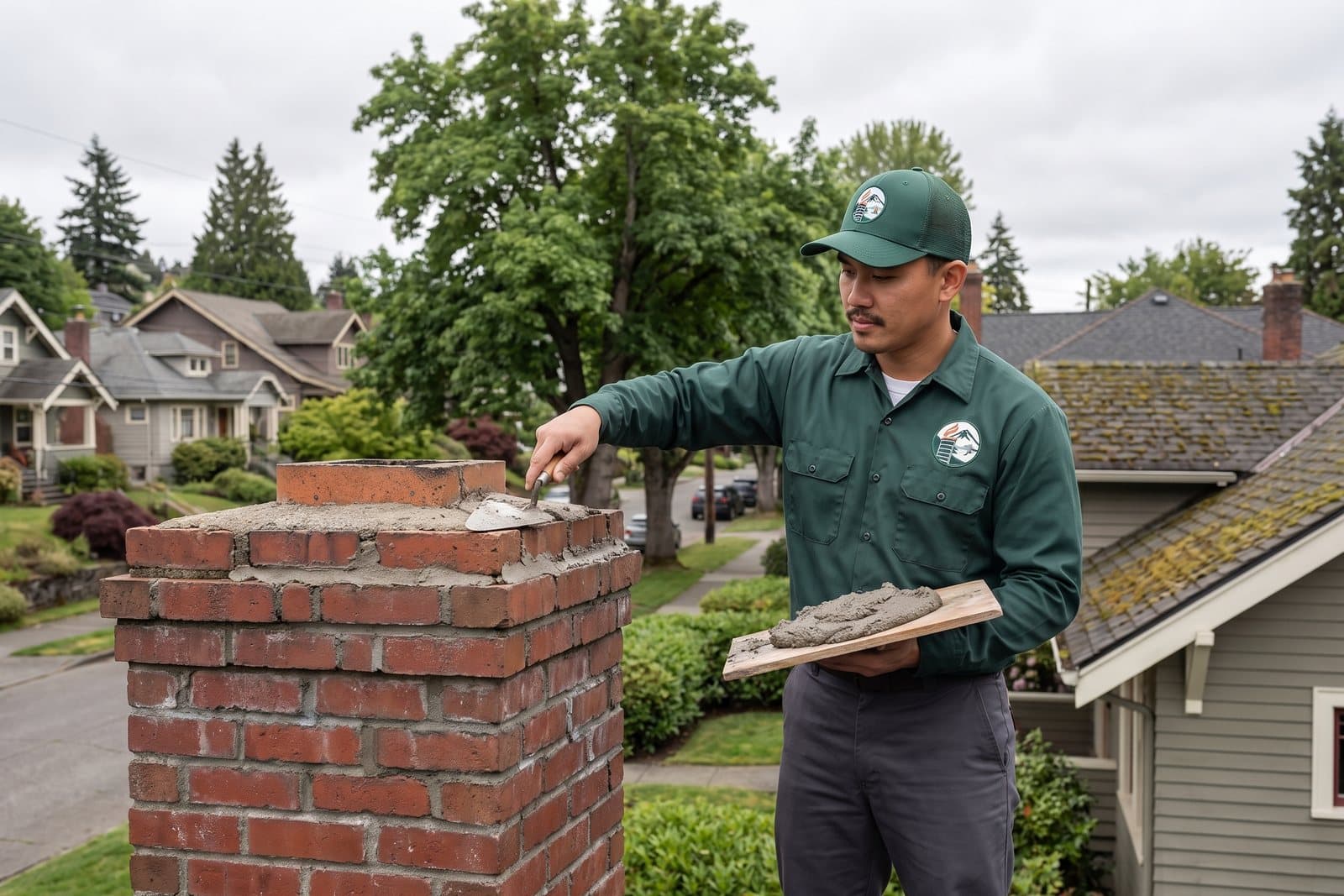
Photo assessment sorting surface wear from structural failure
Learn more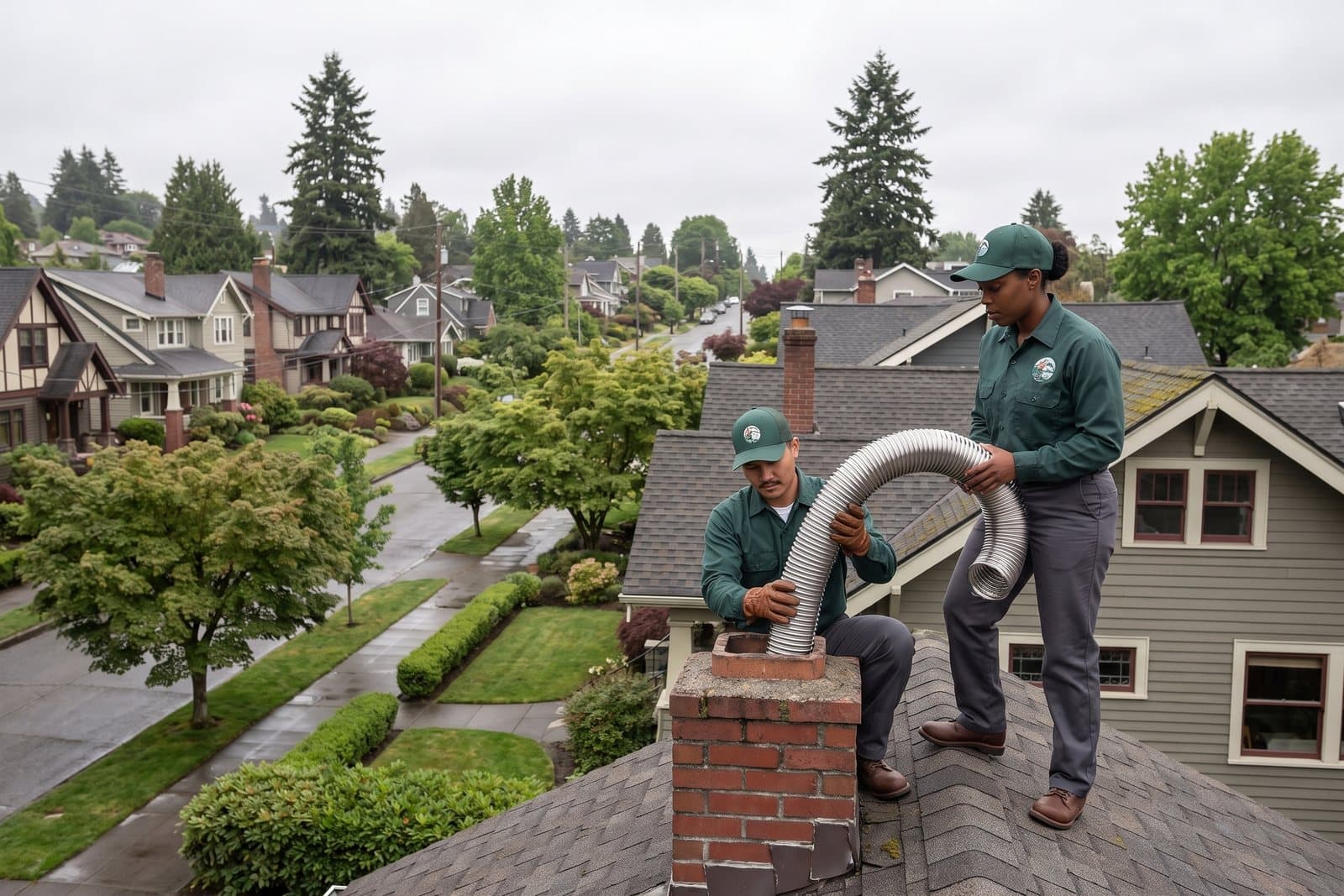
Video survey and flue measurements taken before ordering anything
Learn more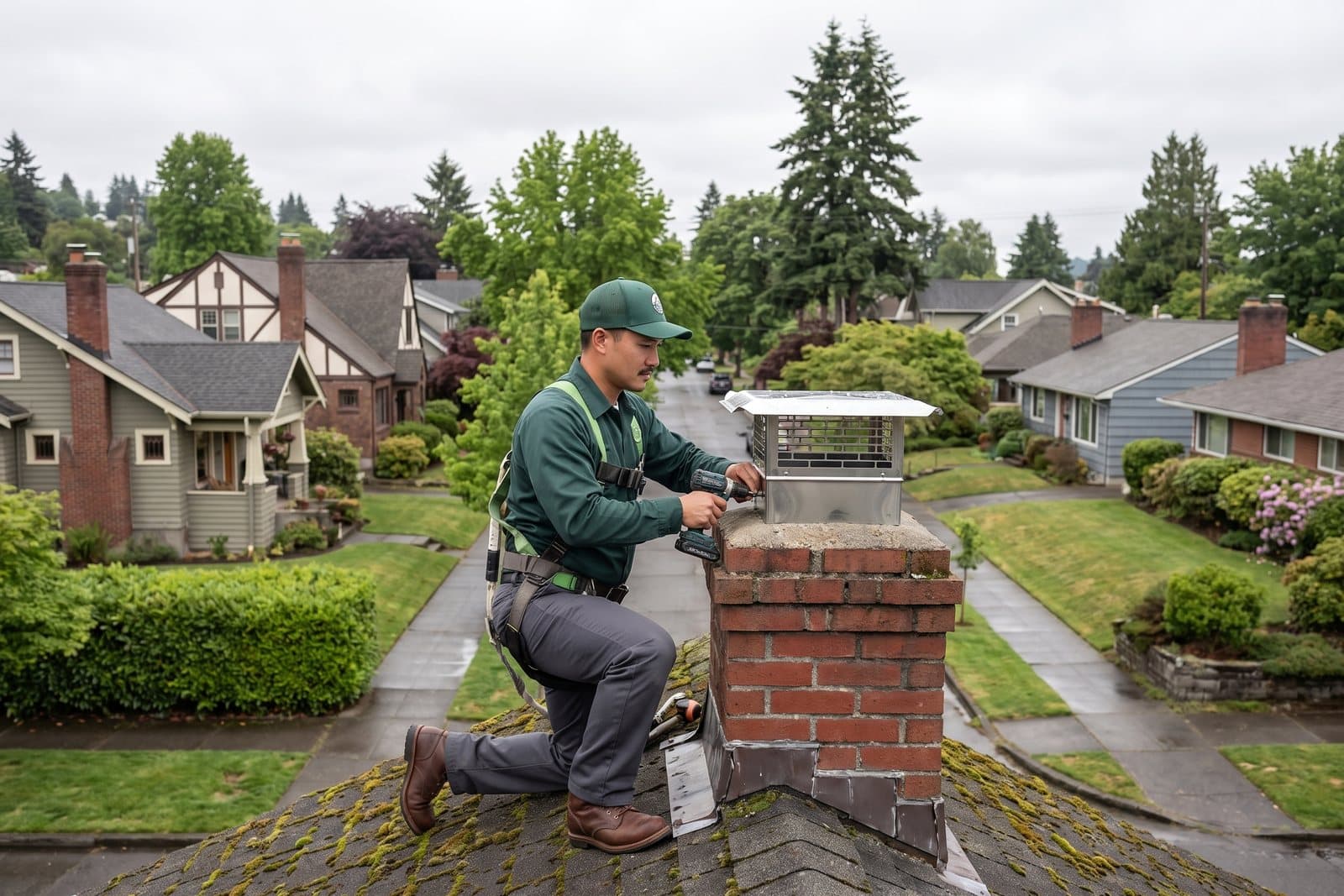
Flue-by-flue measurements, or the whole crown for a multi-flue hood
Learn more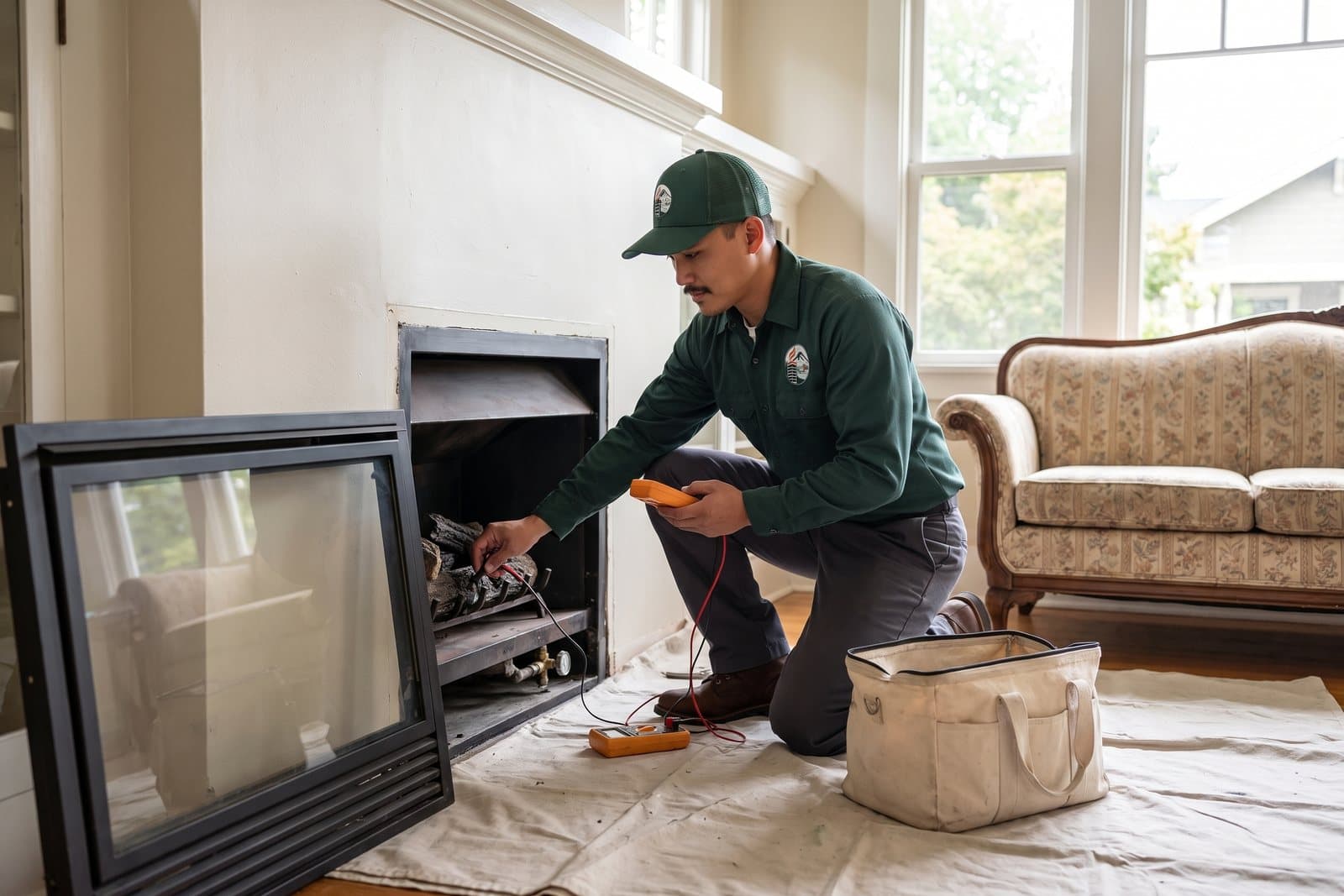
Cleaning and testing of the burner, pilot assembly and igniter
Learn moreRanges shown for orientation — the exact figure is written up on-site, after the inspection.
Georgetown's cool season, as WeatherSpark models it from the Boeing Field station, lasts roughly 3.7 months, from about November 12 to March 2. December nights there average 37°F and the days only reach 47°F. That is mild for a fire, and mild weather invites the kind of fire that makes creosote: a small, damped-down load meant to take the chill off without overheating a four- or five-room house, burning slowly enough that the smoke cools and condenses before it reaches the cap.
Every creosote removal we do in Georgetown includes:
Smoke coming back into the room, or a smell that won't go? Book the inspection first.
Book nowWet wood is the other cause. The Department of Ecology's advice for Washington is to split firewood, stack it under cover, let it season a year or more and confirm it with a moisture meter. On a narrow lot the handy spot for a woodpile is a fence line or a shallow eave, where blowing rain can still reach it. Glazed creosote is the stage we worry about most: CSIA moves the cleaning date forward as soon as glaze appears, without waiting for the usual 1/8-inch soot mark, and Washington's fire marshal found that in 2024 more than three of every four home heating fires started in a chimney, flue or fuel burner, 77 percent in all.
The camera shows whether we face soft soot, crunchy flakes or glazed tar, and the height where the deposit stops.
A rotary whip handles most deposits. Glaze may first get a chemical that dries it into a crumbly layer the whip can then knock loose.
We work from the smoke chamber to the cap, collecting debris at the bottom under vacuum.
With the deposit gone, the camera can see the liner itself. Cracks hidden under creosote are noted on the report.
We look at your firewood with you, because the cleaning lasts only as long as the burning habits allow.
What this work is quoted at for Georgetown homes — the exact figure comes from the $99 on-site inspection, credited toward the work.
| Service | Price in Georgetown | What that covers |
|---|---|---|
| Creosote Removal | From $245 | Priced by creosote stage — glazed stage 3 is the heavy end |
| Chimney Sweep | $189–$449 | Full flue swept, Level 1 inspection included |
| Chimney Inspection | $99 plus tax | Level 1 visual; Level 2 adds a full camera scan |
| Chimney Relining | From $1,900 | Full-length stainless liner, sized to the appliance |
| Chimney Repair | From $425 | Masonry repair — brick and mortar, scoped after diagnosis |
Ranges are what these jobs are quoted at in Georgetown. The exact figure is set on site after a $99 inspection (credited toward the job if you go ahead), and you approve it before any work starts.
The habits that build creosote are the same ones the clean air rules target. The state draws its smoke line at 20 percent opacity. Smoke denser than that for a six-minute stretch inside one hour breaks the rule, and agency staff learn to read that density from the street. A smoldering fire of damp wood puts out exactly the dense smoke that crosses the line, and it leaves the flue coated in the same stroke.
The fuel list is just as specific. State rule WAC 173-433-120 limits legal fuel to seasoned dry wood and manufactured logs, and bans garbage, treated wood, plastics, paints and anything else that normally makes dense smoke or a foul odor. For a Georgetown household, whose valley's air the agency profiled in 2016 with home wood smoke on the list next to traffic and industry, dry wood and a hot, short fire are the way to keep both the flue and the air cleaner.
Georgetown is a Duwamish valley neighborhood of Seattle that ran its own city government from 1904 to 1910, with small one-story workers' houses from the boom years of 1890 to 1916, many of them remodeled around World War II.
GeorgetownKing County, WA · 47.547, -122.320
Before and after
Illustrations of what each repair changes on a typical chimney — not photos of a specific job.
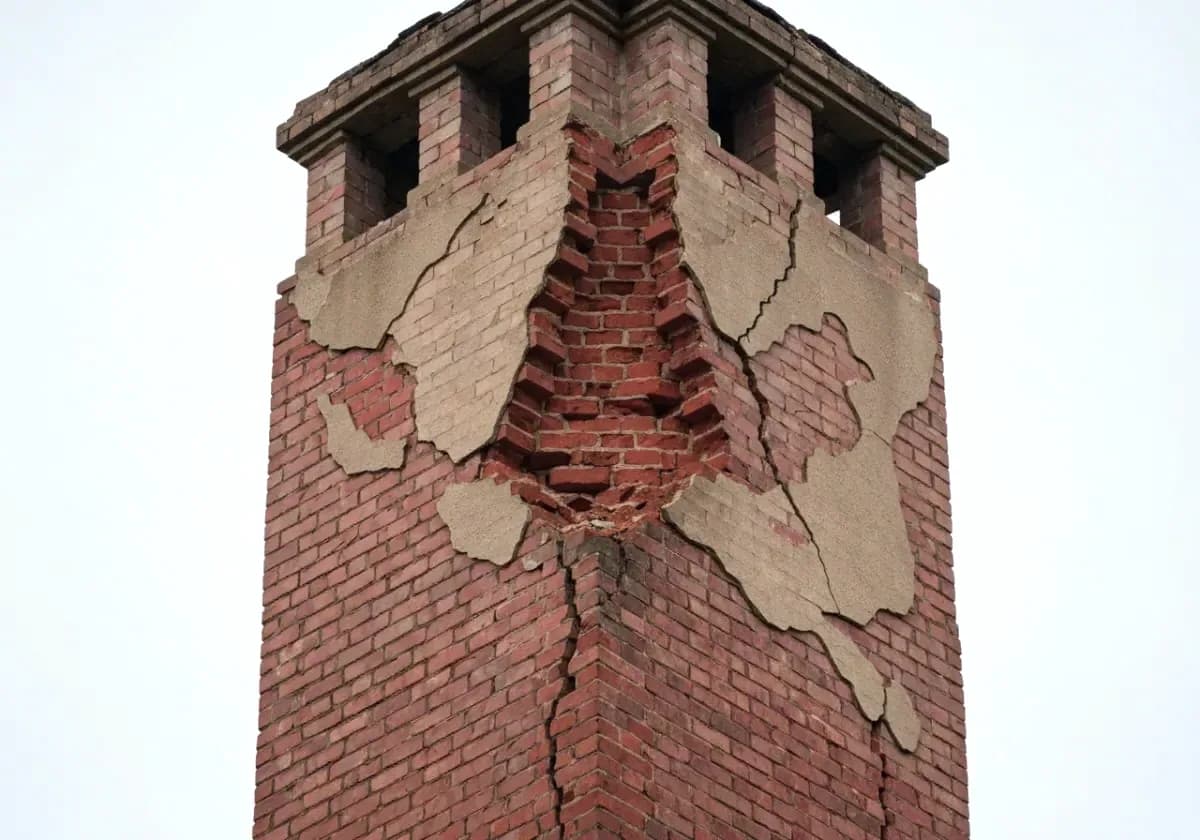 Before
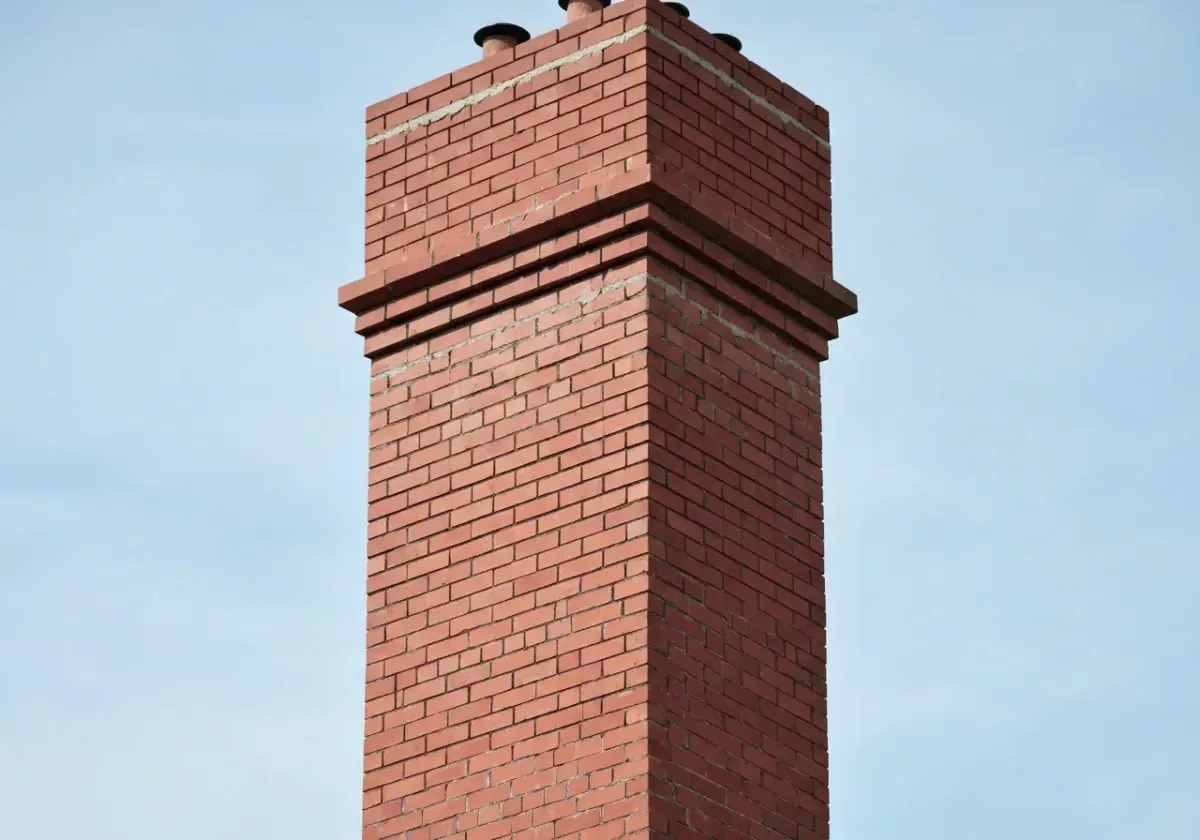 After
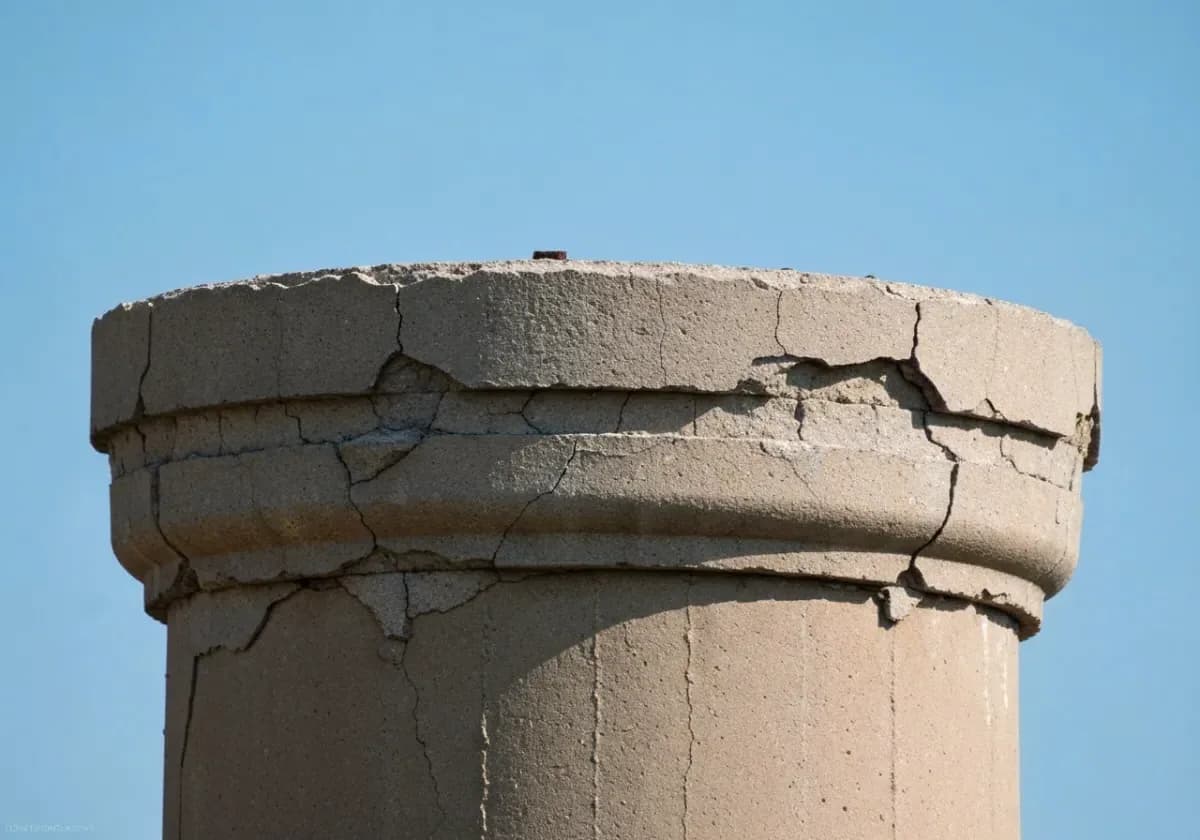 Before
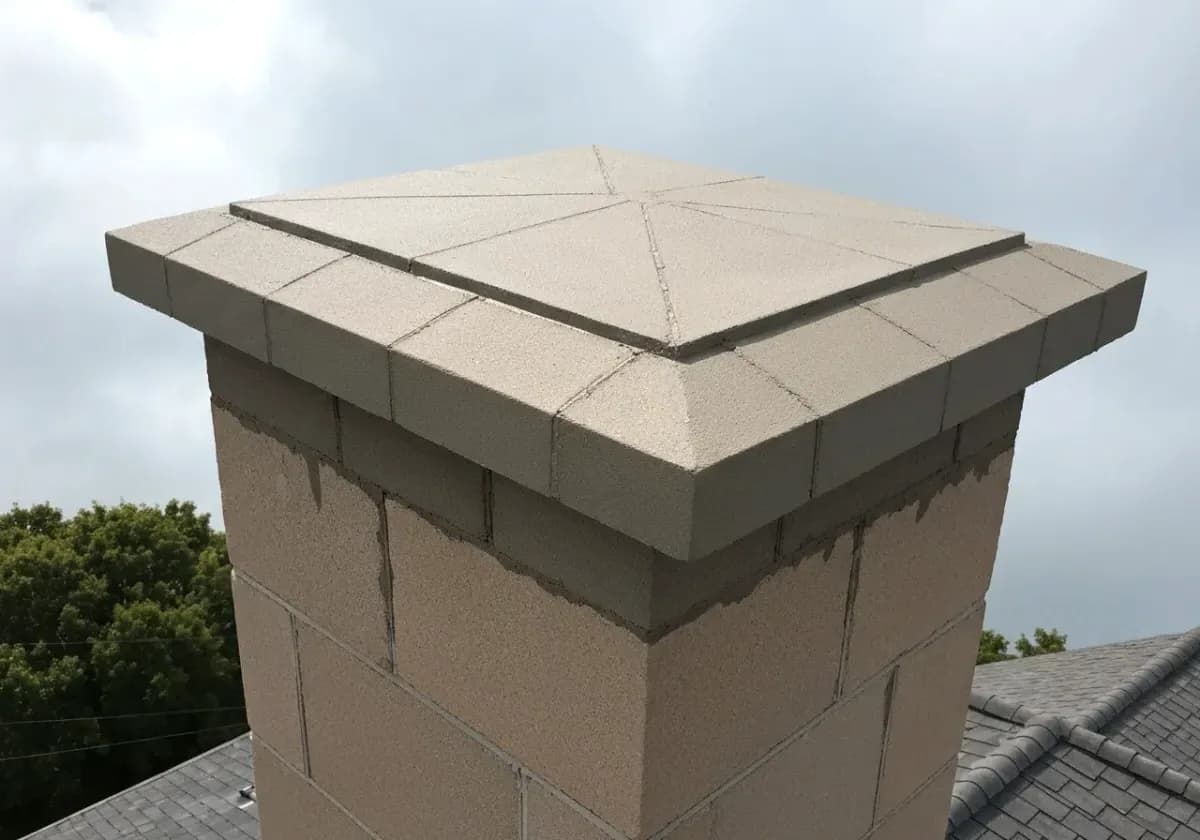 After
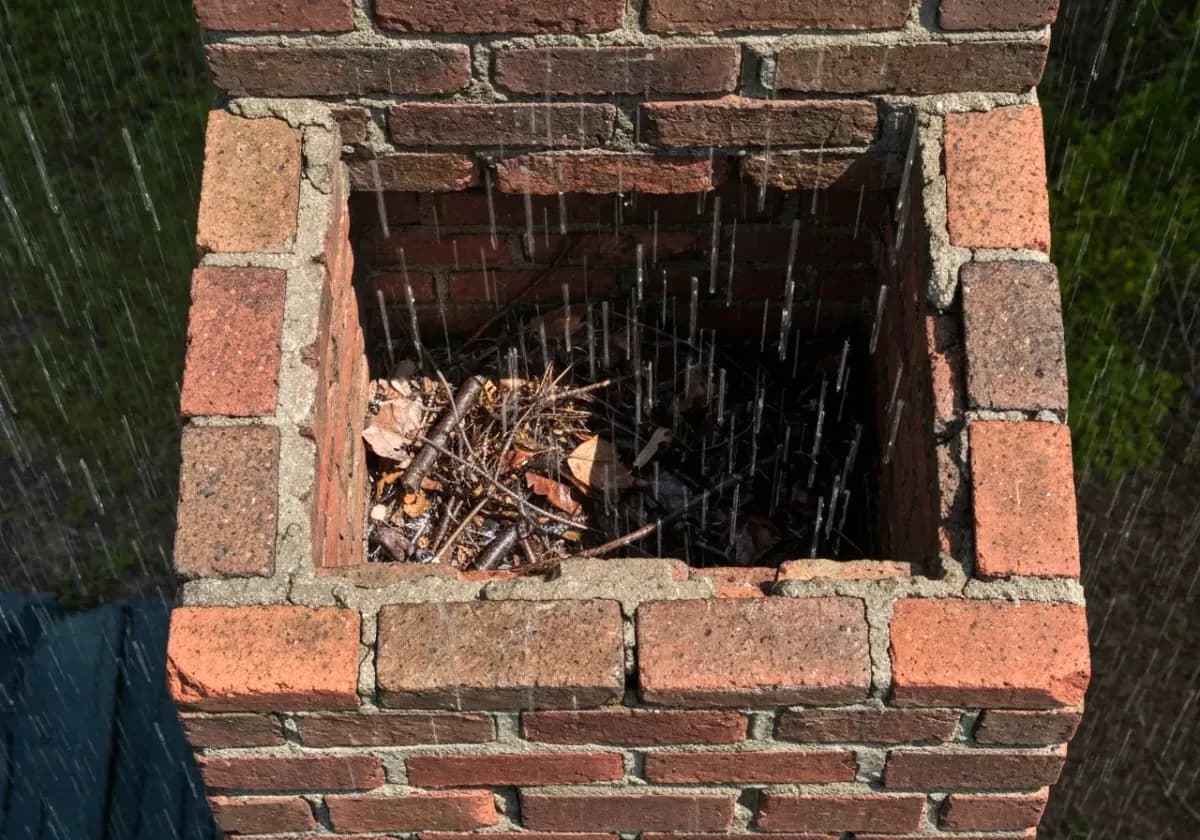 Before
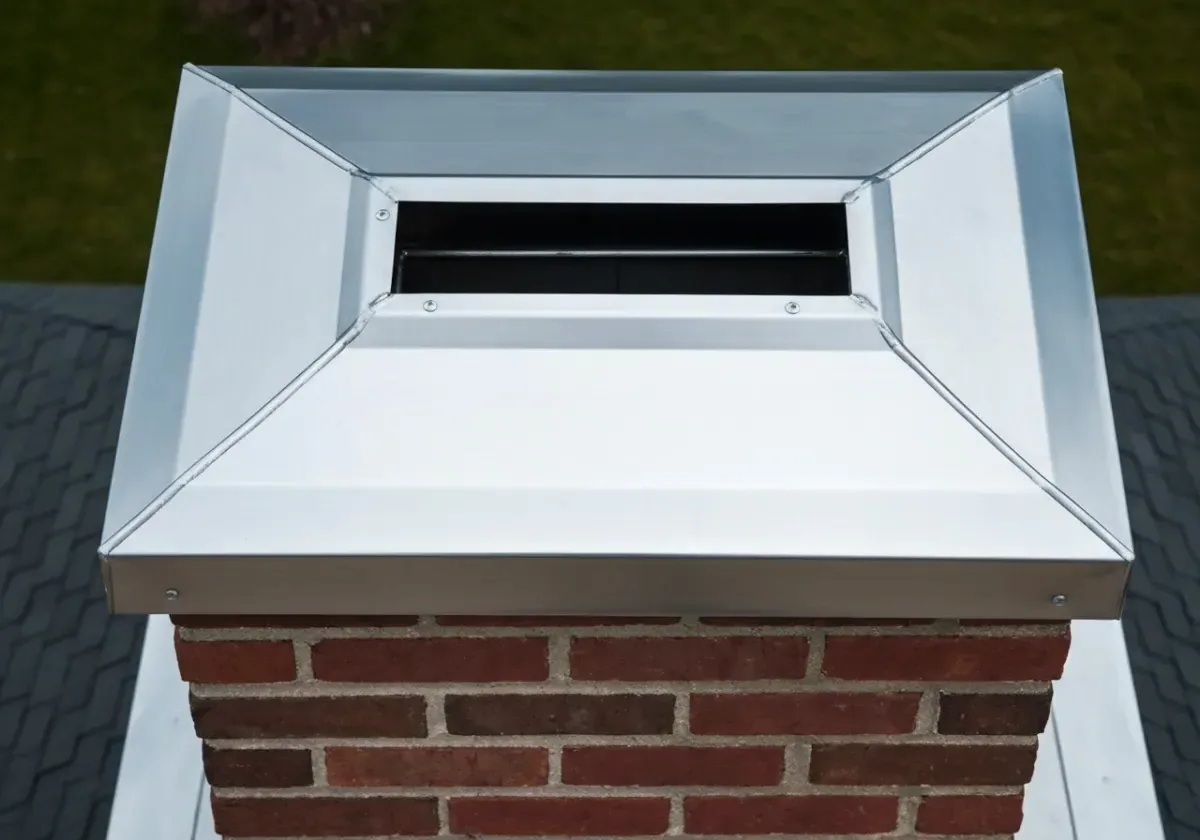 After

Four steps, each one on paper — so you always know what happens next.
Choose a genuine opening on the crew's calendar. Confirmation is immediate.
Liner, crown, cap, flashing and masonry examined in order — each finding photographed.
One document, plain numbers, covering only the work your chimney genuinely needs.
The repair is completed, then handed over with before-and-after photos of every item.
Yes. A sweep handles normal soot. Removal is for heavier or glazed deposit that a standard brushing leaves behind, and it takes more time and sometimes a second visit.
Usually most of it, using a chemical treatment and repeat cleaning. Where glaze has bonded to a damaged liner, relining can be the more reliable answer, and we tell you if that is the case.
Get everyone out and call 911. Do not try to put it out from inside. Afterward, do not use the fireplace until the flue has been inspected.
The camera visit runs $99 plus tax, deducted from the removal bill once you approve it.
A $99 on-site inspection, a written quote before any work, and photos of every item we touch.