Columbia City, King County
Creosote removal in Columbia City starts at $245. That opening figure is for a flue with flaky, second-stage deposits that come away with stiff brushes and a rotary head after one pass. Glazed, tar-like creosote is another matter: it can call for a chemical treatment that sits on the deposit for days, then a return visit to cut the softened layer away. For context, the Seattle market has one published figure for heavy third-stage work: Mad Hatter Chimney Sweep lists $300 to $600; that is their price, and our price is set only after we have seen your flue on camera.
Typical investment
From $245
Book an inspection
Book your $99 inspection
$99 plus tax, deducted when you approve the repair
Not sure where to start
Pick what you're seeing at your Columbia City home — we'll point you to the right fix.
What we do
The same crew, the same written quote — for Columbia City homes.
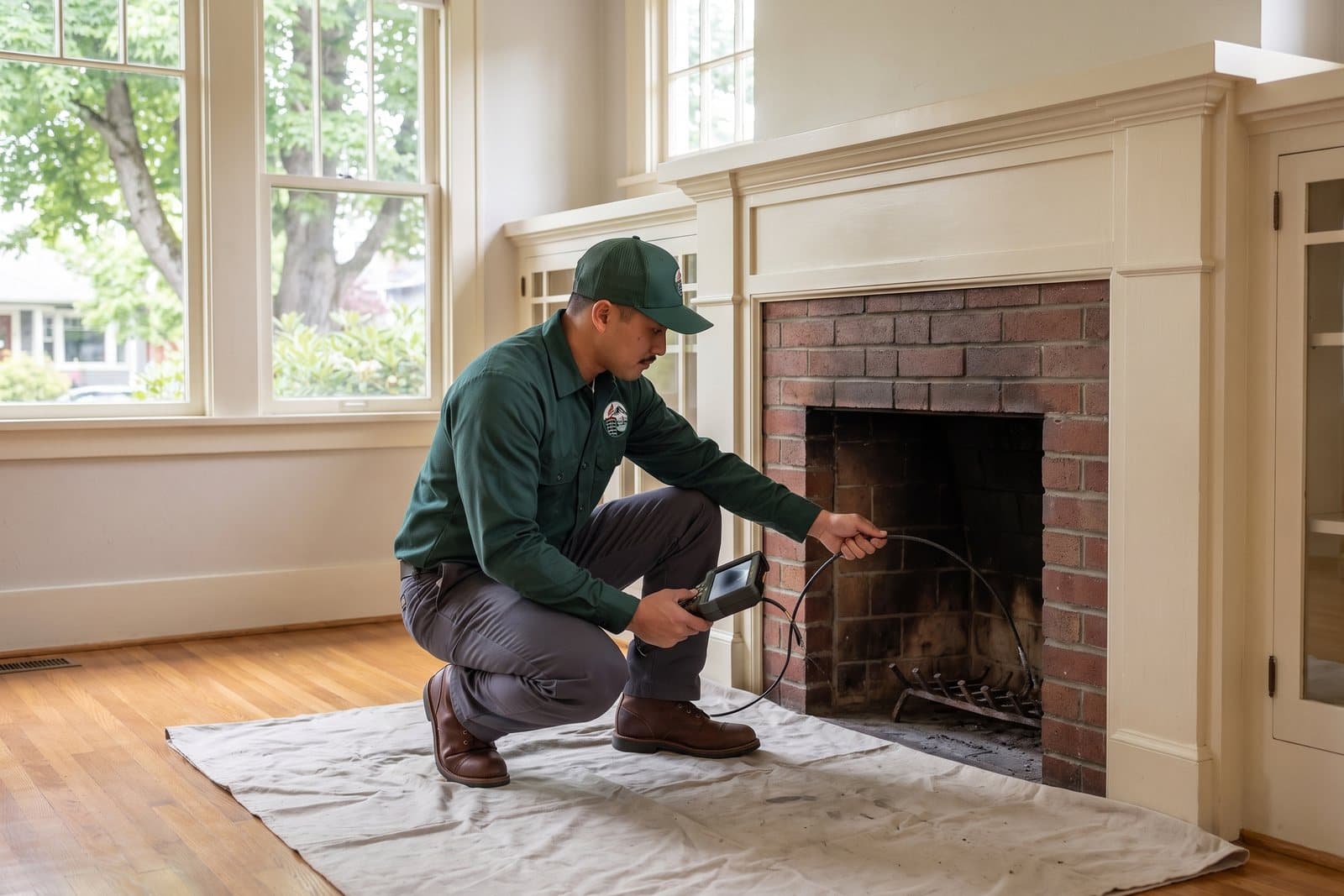
Level 1: every reachable component checked, with a Level 2 camera run added if something stays unclear
Learn more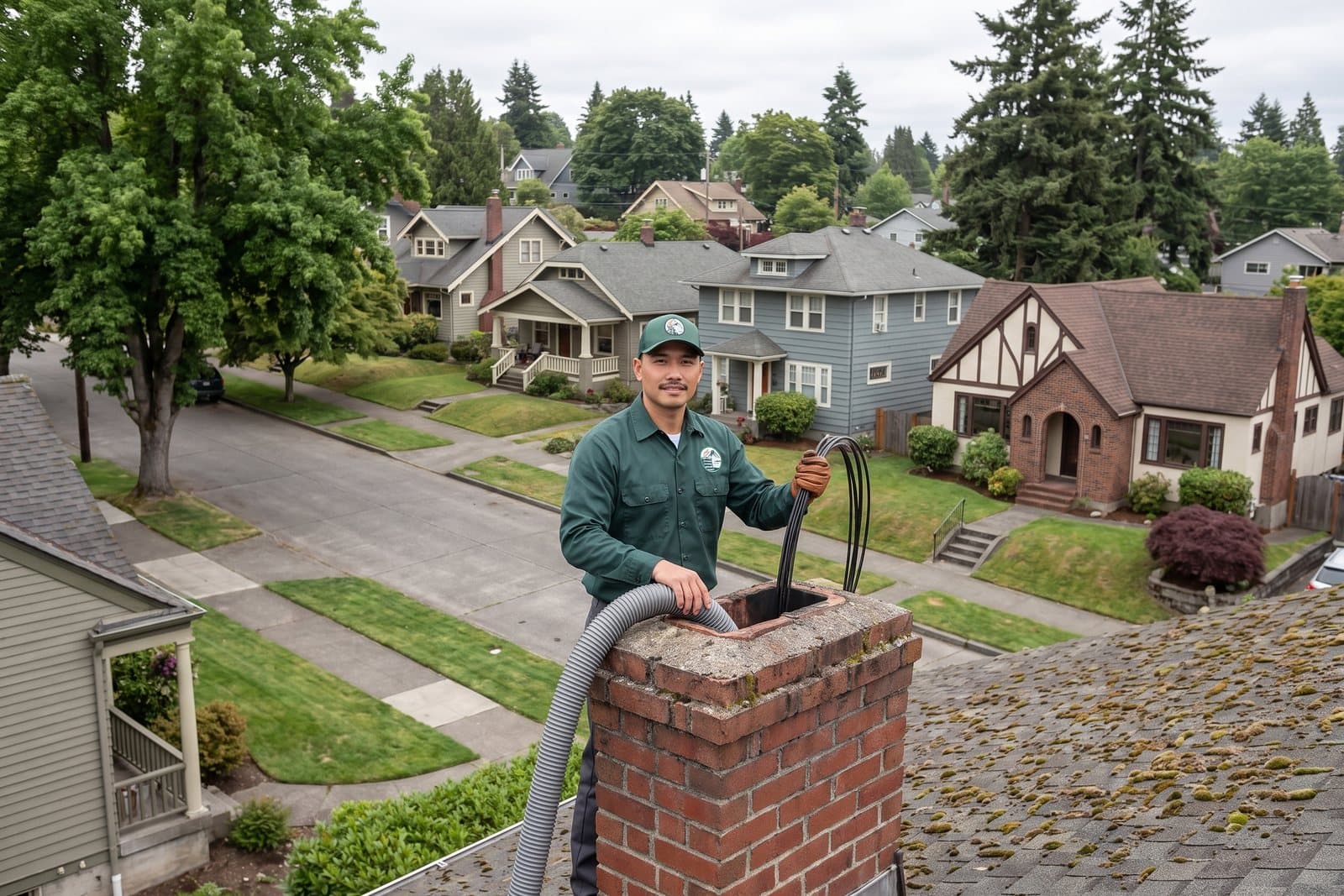
Full-height brushing with a head chosen for clay tile or metal liner
Learn more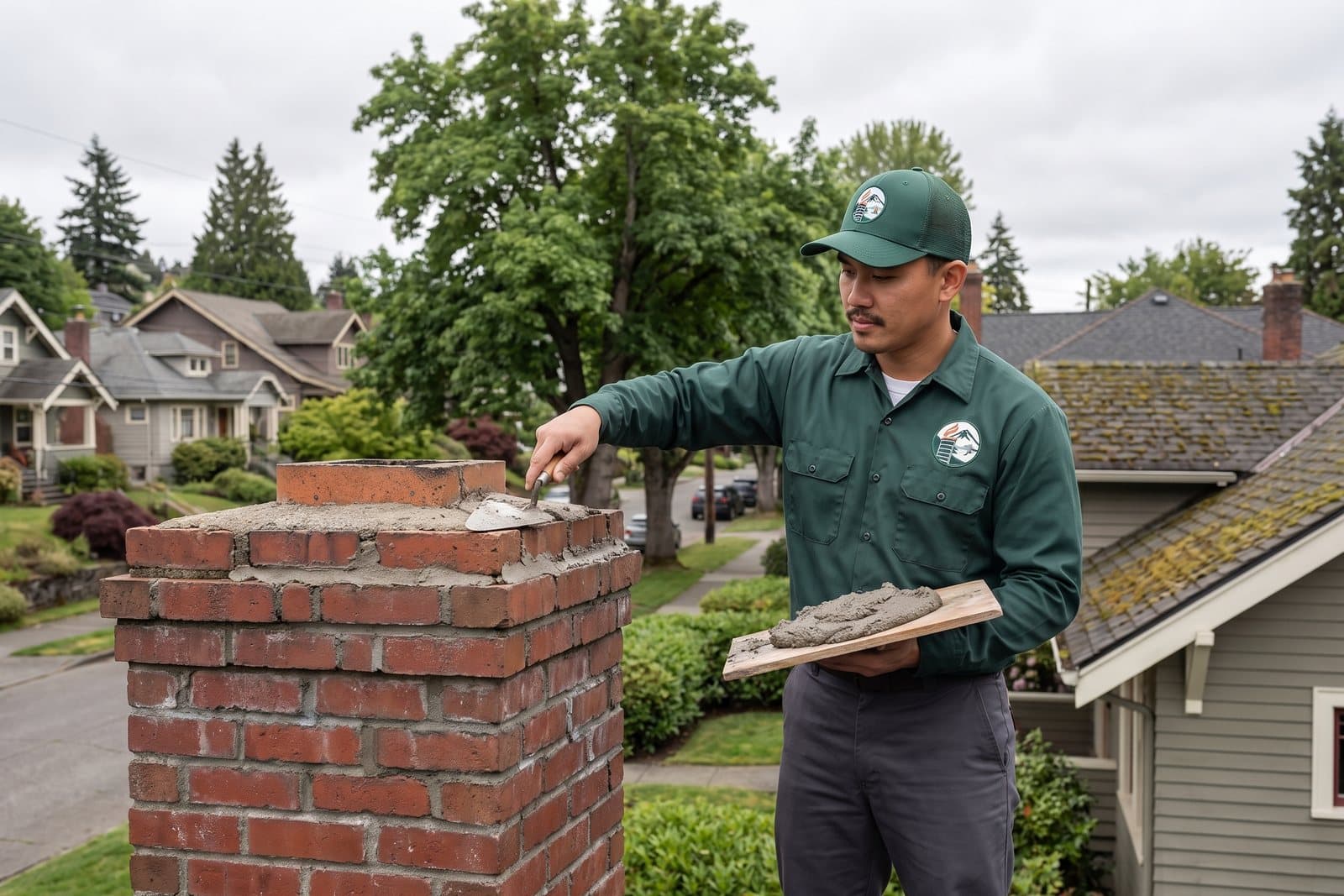
Photo assessment sorting surface wear from structural failure
Learn more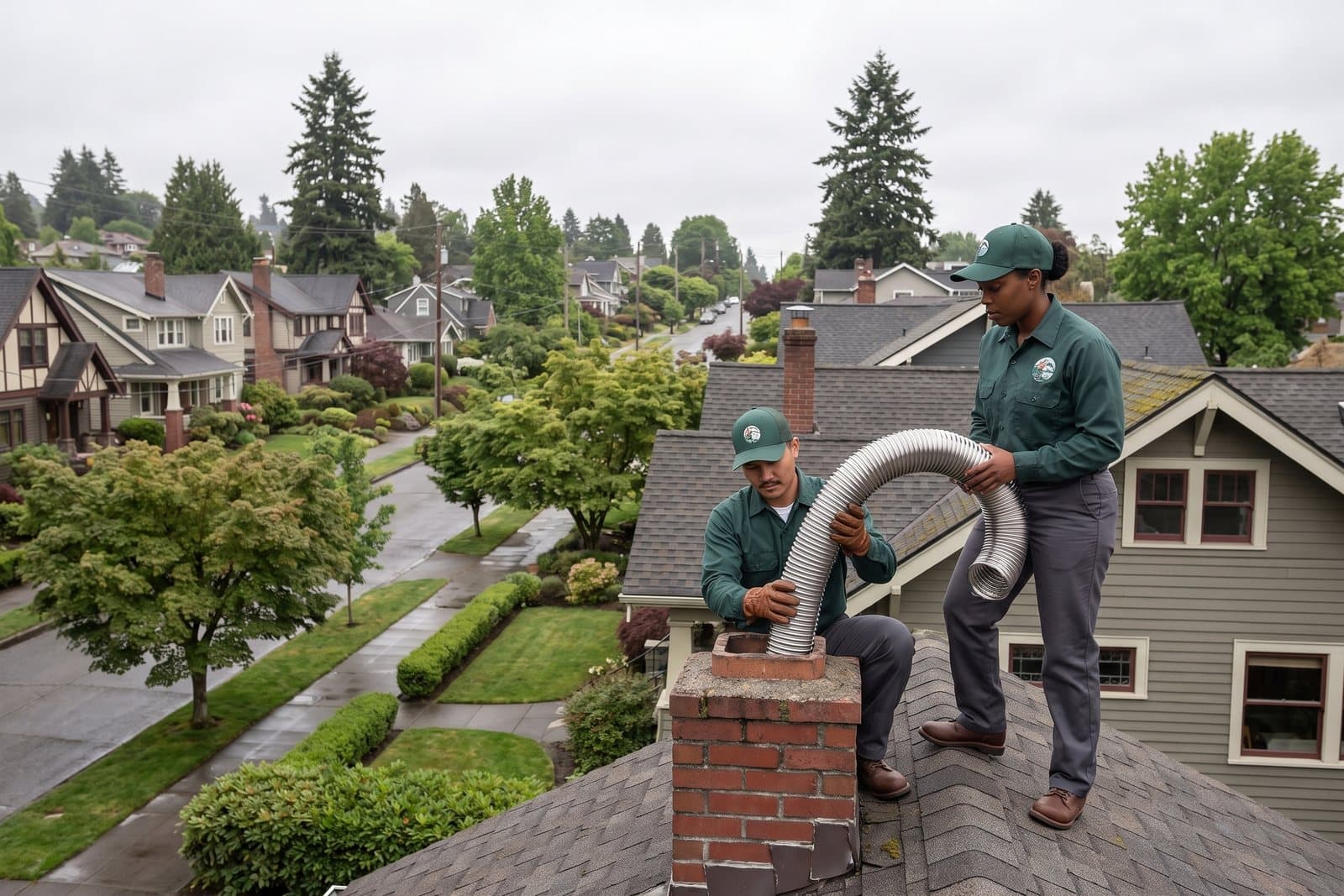
Video survey and flue measurements taken before ordering anything
Learn more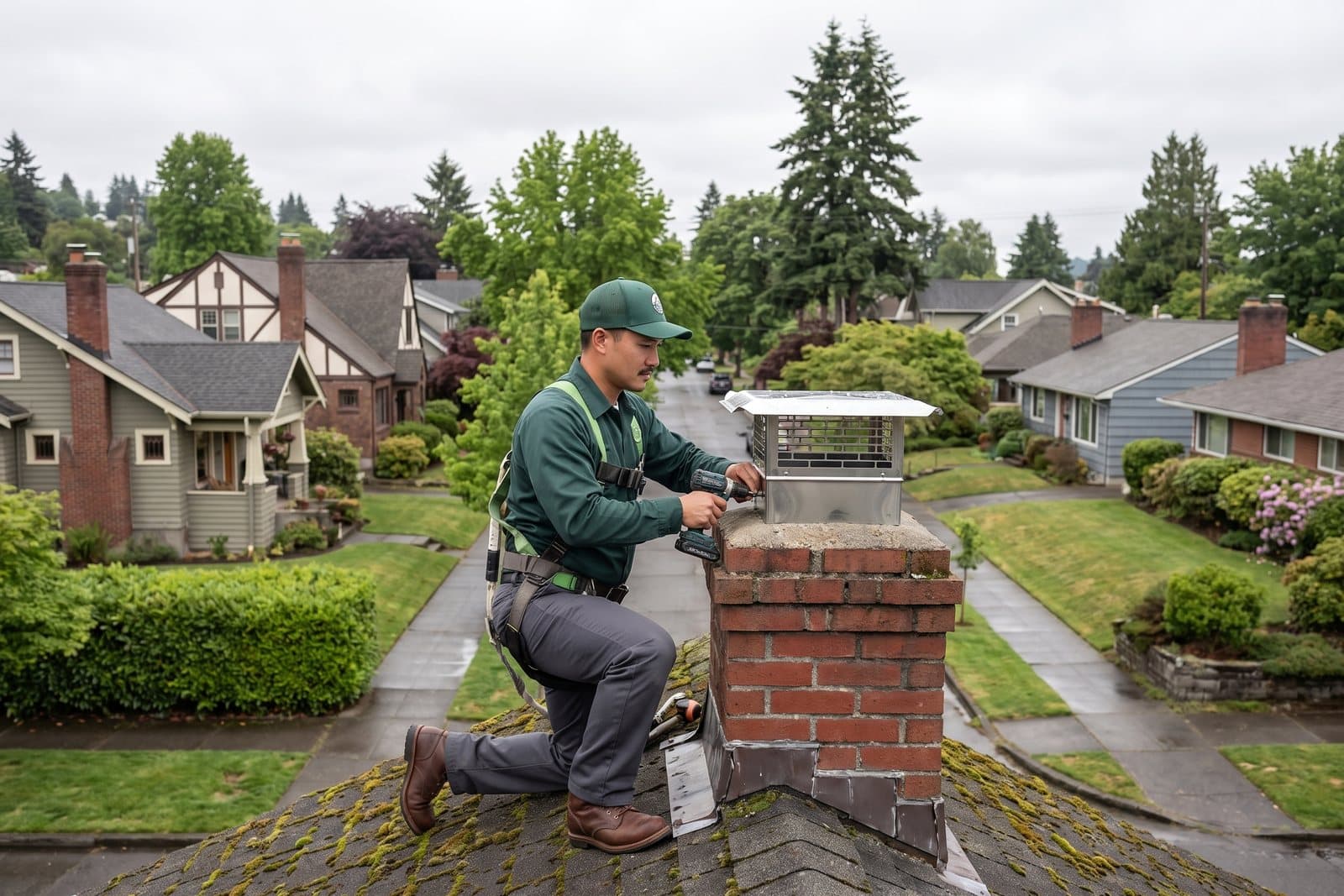
Flue-by-flue measurements, or the whole crown for a multi-flue hood
Learn more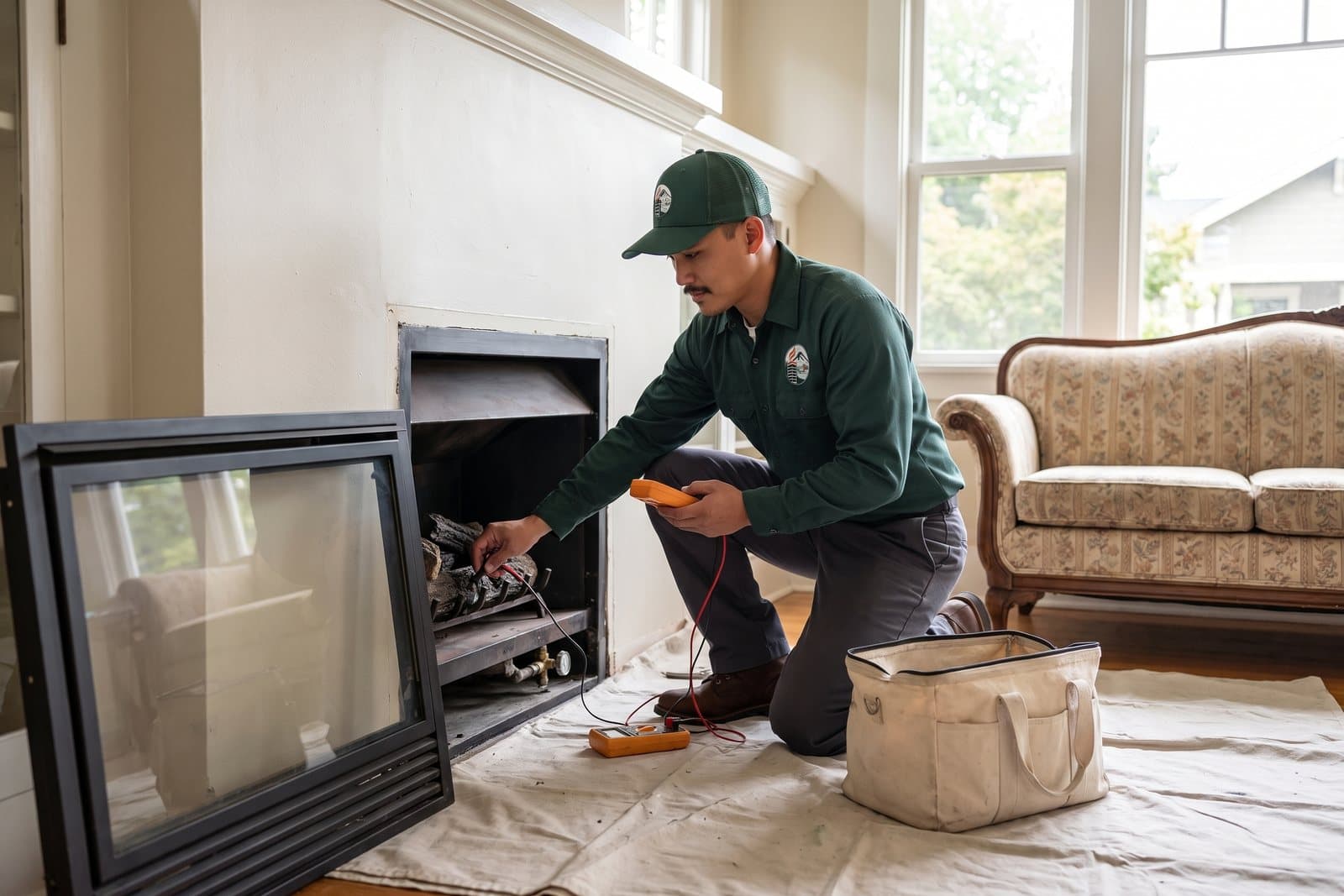
Cleaning and testing of the burner, pilot assembly and igniter
Learn moreRanges shown for orientation — the exact figure is written up on-site, after the inspection.
Columbia City started with a sawmill. HistoryLink records that a lumber mill went up at Rainier Avenue and South Brandon Street in 1891, the same year the first lots were sold. Very few households burn wood for heat now: in the 98118 ZIP area the census counts only about 29 that use it as their main fuel. But that table records primary heat only, and the fireplace lit on weekends or for a holiday is exactly the one most prone to creosote, because short, cool fires never get the flue hot enough to carry the smoke out cleanly.
Every creosote removal we do in Columbia City includes:
Smoke coming back into the room, or a smell that won't go? Book the inspection first.
Book nowFirewood guidance from the state Department of Ecology is simple: split the wood, keep it covered, give it at least a year, confirm it with a moisture meter, and never pack the firebox with wet or excessive loads, which burn wastefully and smoke hard. A bundle bought the week of the first cold snap, or a cord stacked against a wet fence, rarely meets that standard. The result shows inside the flue: a crust that starts as soot, turns to a crisp black flake, then sets into a shiny glaze that brushes skate over. The Chimney Safety Institute of America says any glazed deposit means a masonry flue is due for cleaning, whatever its thickness.
A flue choked with creosote does more than raise the fire risk. It slows the draft, and a slow draft makes a dense, dark plume. Washington sets a limit on that plume: smoke more than 20 percent opaque for six straight minutes within any hour is a violation, and the regional clean air agency trains its field staff to rate it visually. The state's list of prohibited fuels, WAC 173-433-120, adds garbage, treated wood, plastics, paints and anything that ordinarily makes dense smoke or foul odors; burning them in a fireplace feeds the same sticky deposits we remove.
Removing creosote is cleaning, and no Seattle permit applies to it. Damage found once the deposit is gone is a different question. Under Seattle's chimney rule, a repair that reaches lower than the top of the smoke chamber means rebuilding chamber and chimney to current code with a building permit, regardless of the price. A flue that has had a chimney fire is where that line is most often reached, so our report says exactly how deep the damage goes.
Footage shows which of the three stages coats the walls, and the height at which it thins out.
Rotary heads and scrapers remove everything that will come off without risking the liner.
Where glaze remains, a modifier is applied to dry it into a brittle layer that can be removed later.
We clean out the treated deposit and record the flue again so you can compare it with the first footage.
What this work is quoted at for Columbia City homes — the exact figure comes from the $99 on-site inspection, credited toward the work.
| Service | Price in Columbia City | What that covers |
|---|---|---|
| Creosote Removal | From $245 | Priced by creosote stage — glazed stage 3 is the heavy end |
| Chimney Sweep | $189–$449 | Full flue swept, Level 1 inspection included |
| Chimney Inspection | $99 plus tax | Level 1 visual; Level 2 adds a full camera scan |
| Chimney Relining | From $1,900 | Full-length stainless liner, sized to the appliance |
| Chimney Repair | From $425 | Masonry repair — brick and mortar, scoped after diagnosis |
Ranges are what these jobs are quoted at in Columbia City. The exact figure is set on site after a $99 inspection (credited toward the job if you go ahead), and you approve it before any work starts.
Columbia City is a former streetcar town in Seattle's Rainier Valley, founded in 1891 and annexed in 1907, with vernacular houses on the side streets of a brick commercial core, in a district whose buildings mostly date from 1891 to 1937.
Columbia CityKing County, WA · 47.560, -122.287
Before and after
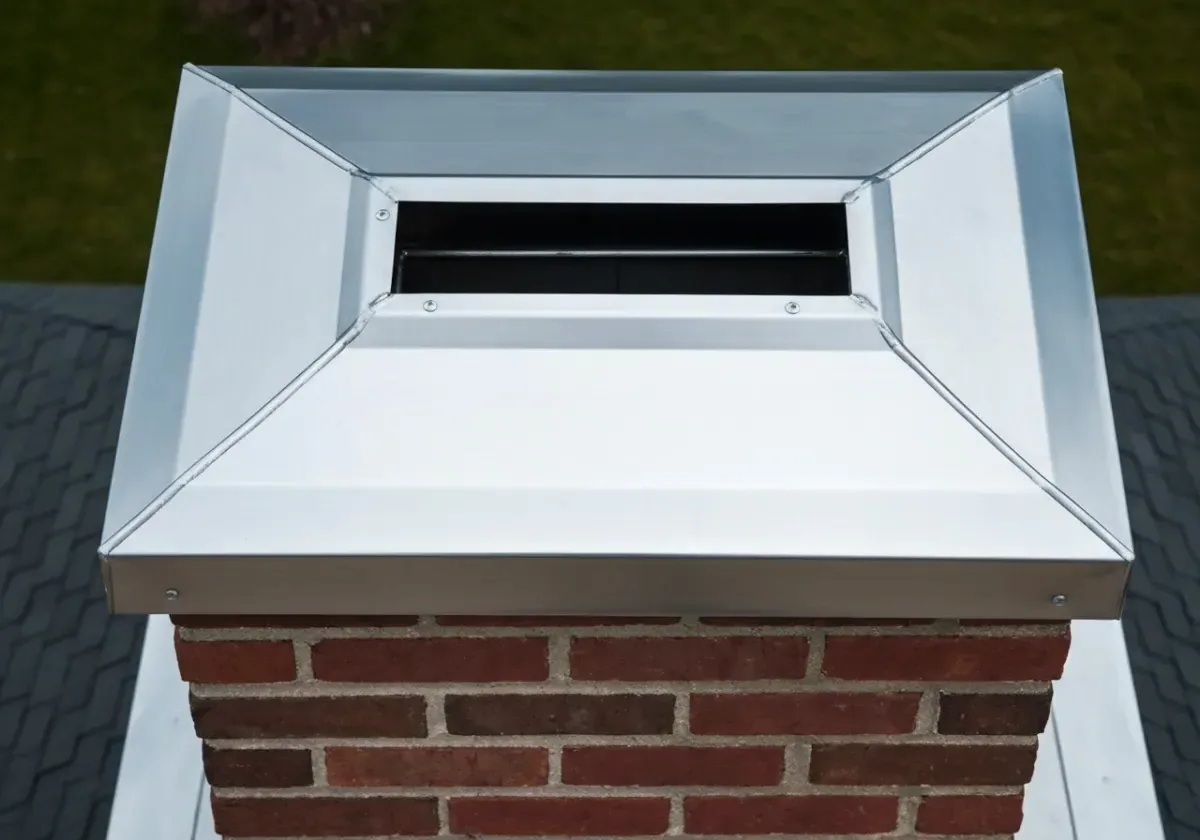
Illustrations of what each repair changes on a typical chimney — not photos of a specific job.
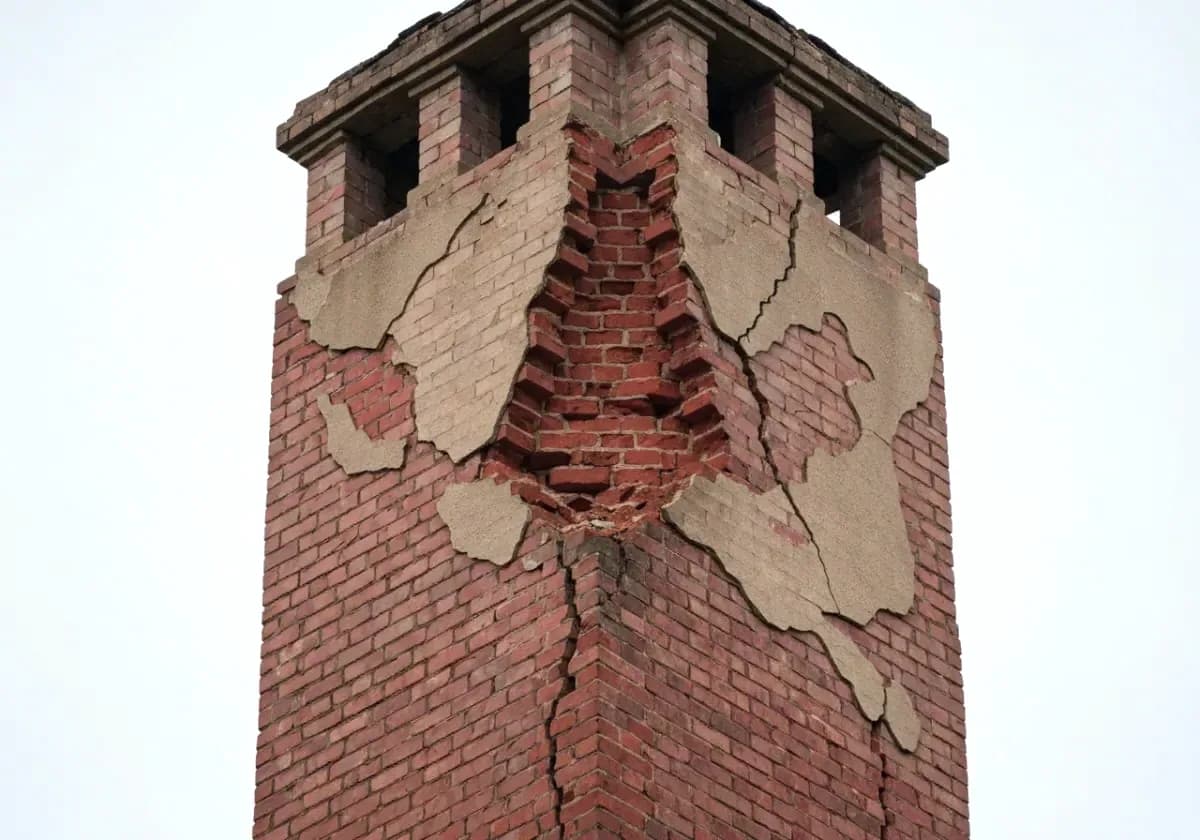 Before
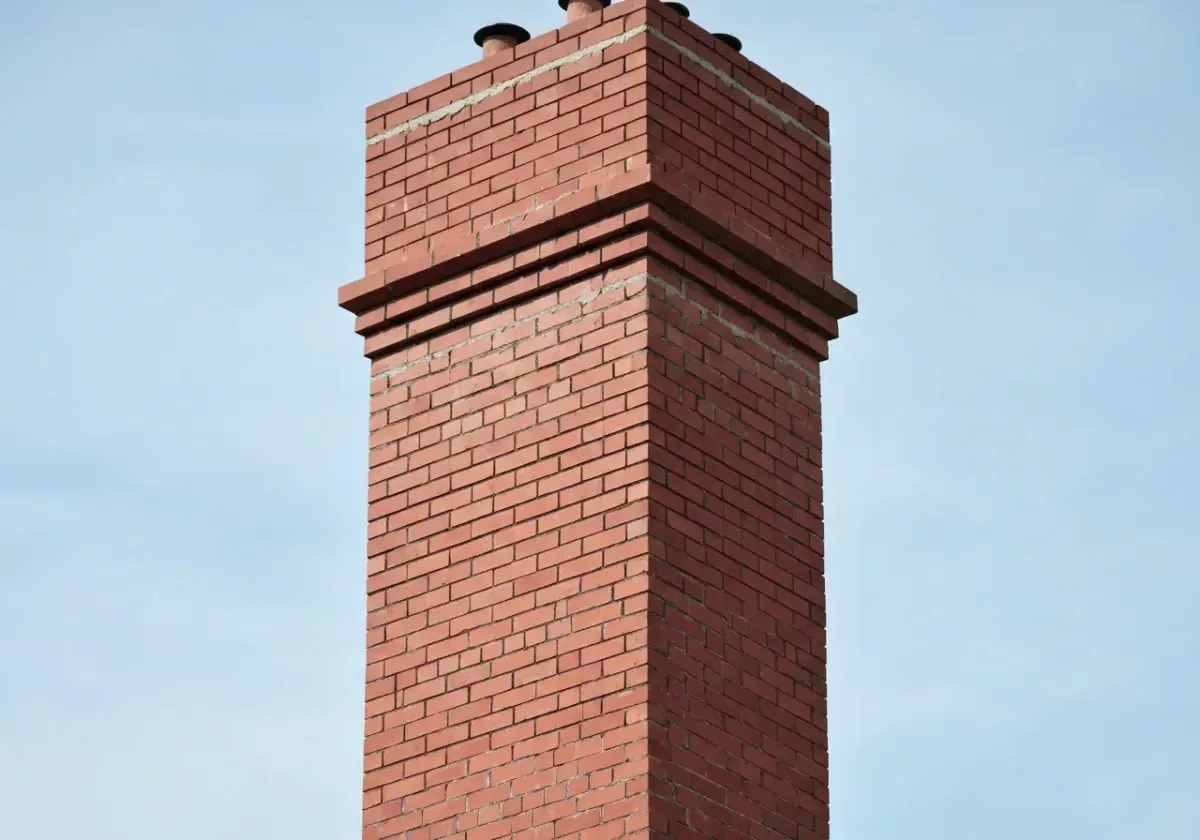 After
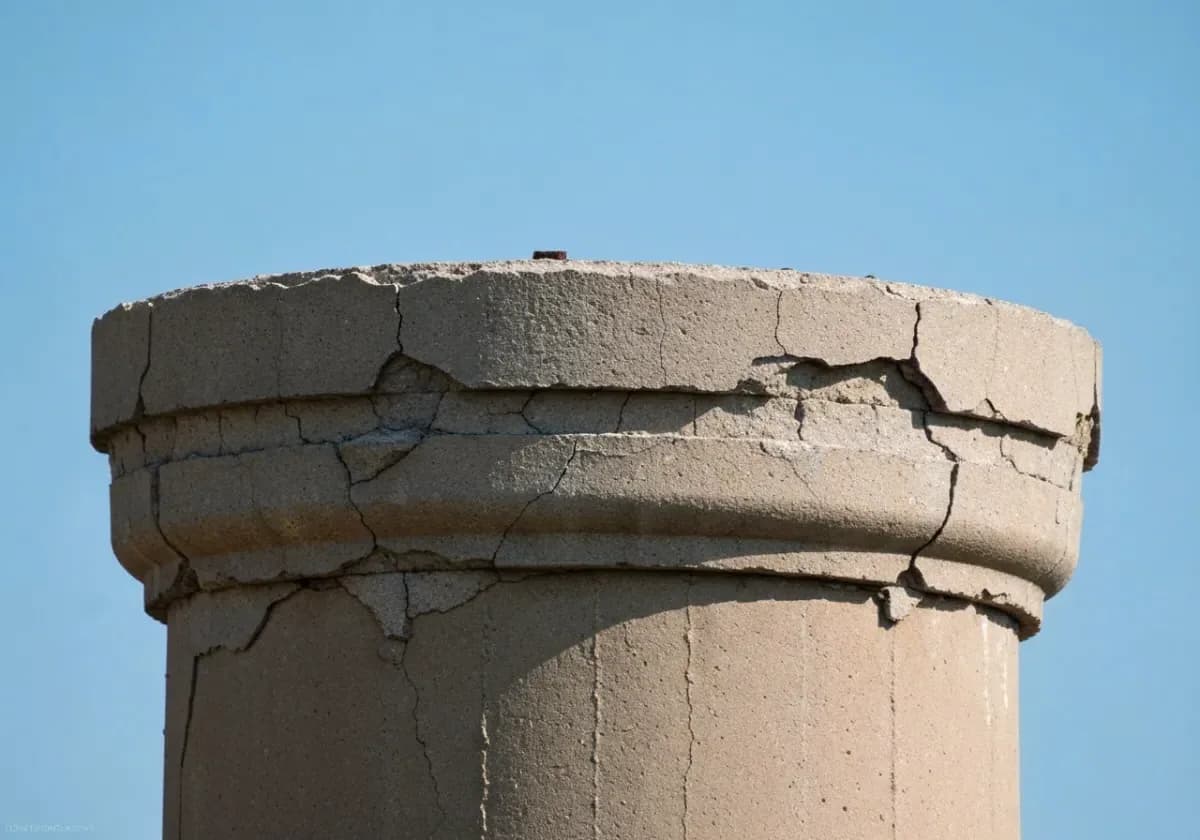 Before
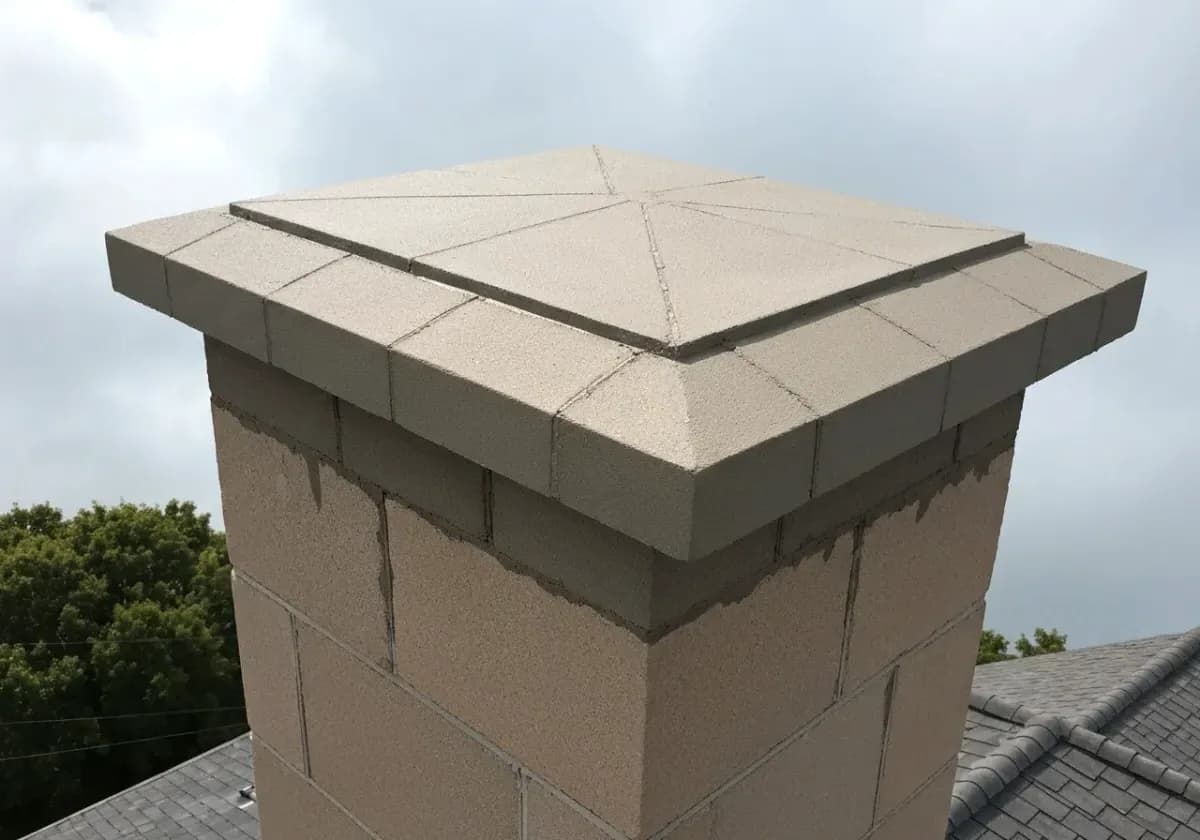 After
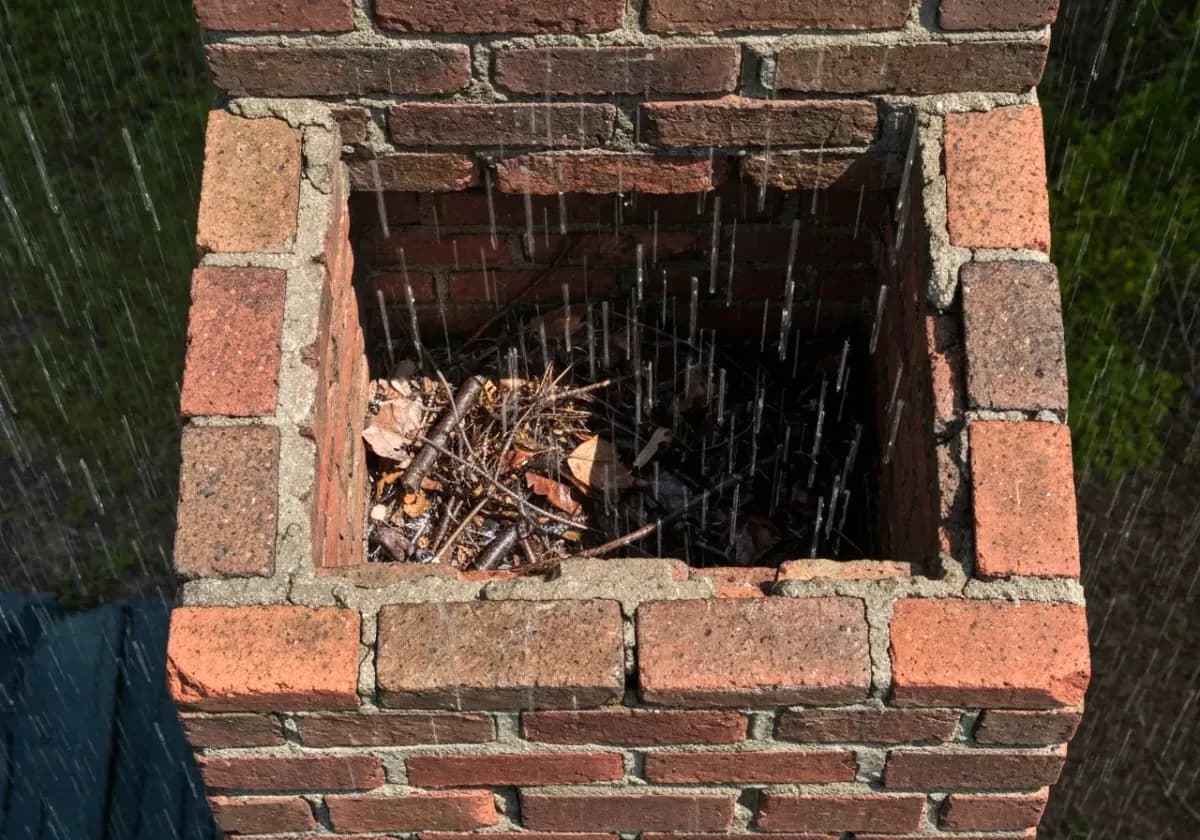 Before
 After

Four steps, each one on paper — so you always know what happens next.
Choose a genuine opening on the crew's calendar. Confirmation is immediate.
Liner, crown, cap, flashing and masonry examined in order — each finding photographed.
One document, plain numbers, covering only the work your chimney genuinely needs.
The repair is completed, then handed over with before-and-after photos of every item.
Such logs may loosen some crust, yet glaze stays put, and nobody learns what is actually lining the flue. We would use one only as part of a plan that ends with a camera check.
Yes, if it is already there. Creosote is fuel. A fire on a cold evening can ignite a deposit laid down years earlier, which is why we grade it by camera before saying anything is safe.
We show you on camera what the deposit and any past fire have done to the tiles. That inspection costs $99 plus tax; accept the tile repair we quote and the $99 is deducted from its price.
A $99 on-site inspection, a written quote before any work, and photos of every item we touch.