Beacon Hill, King County
Sweeping a flue on Beacon Hill costs $189 to $449. One open fireplace on a single-story house with a walkable roof sits near $189; a tall flue on a steep lot along the ridge, or a stove that has to be pulled forward, moves the bill toward $449. Included are the firebox and damper, the smoke chamber, every foot of the flue and the screen at the cap.
Typical investment
$189–$449
Book an inspection
Book your $99 inspection
$99 plus tax, deducted when you approve the repair
Not sure where to start
Pick what you're seeing at your Beacon Hill home — we'll point you to the right fix.
What we do
The same crew, the same written quote — for Beacon Hill homes.
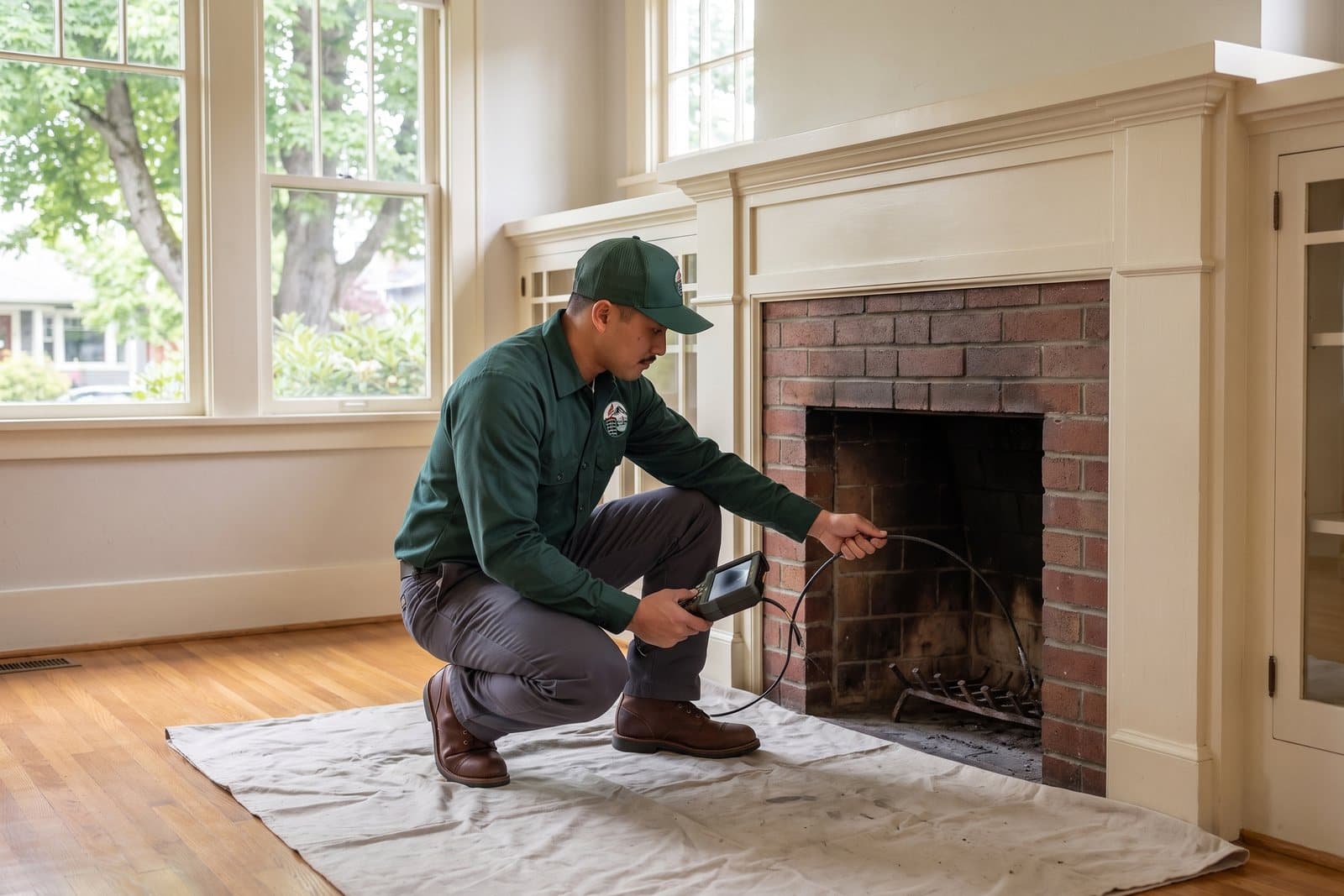
Level 1: every reachable component checked, with a Level 2 camera run added if something stays unclear
Learn more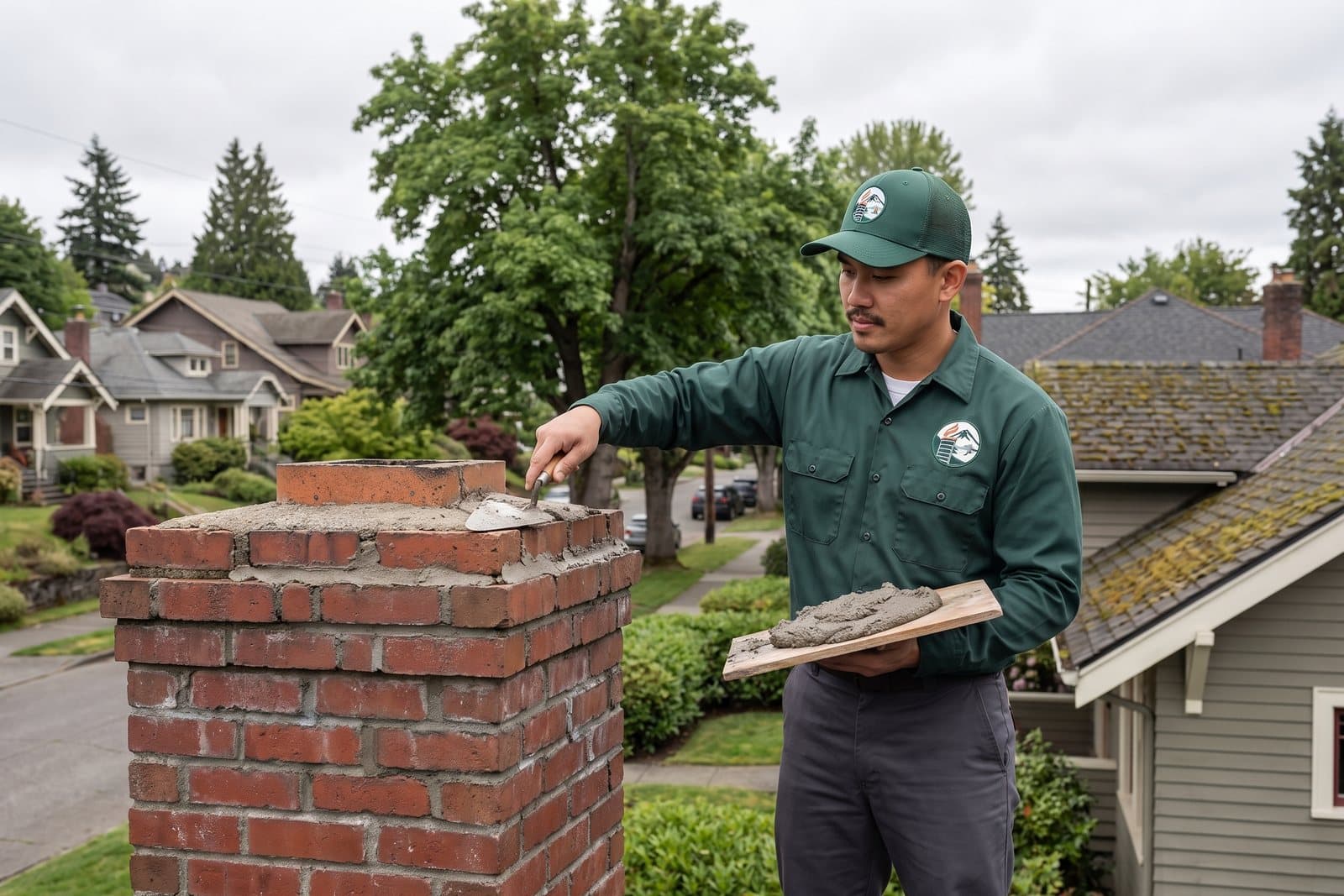
Photo assessment sorting surface wear from structural failure
Learn more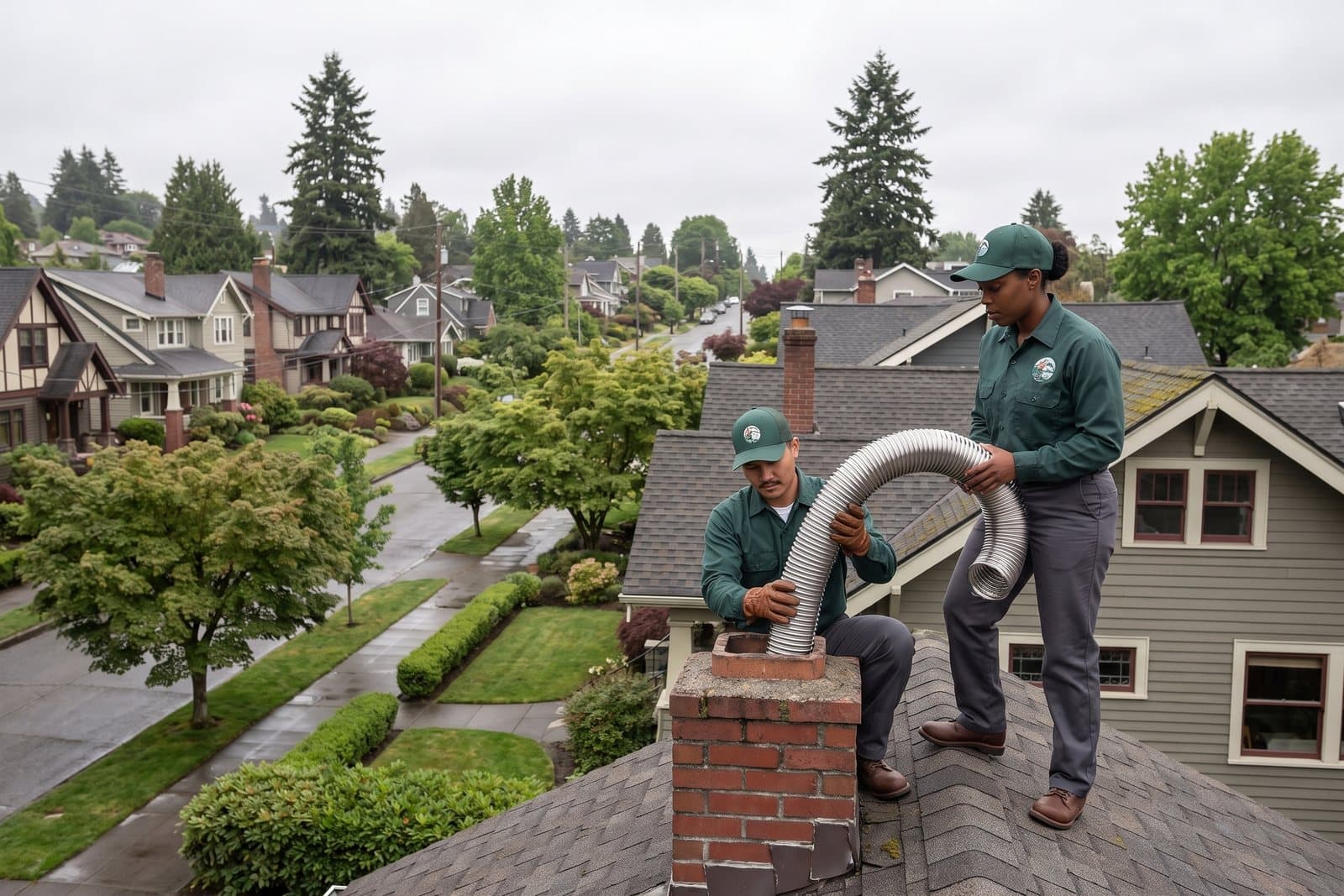
Video survey and flue measurements taken before ordering anything
Learn more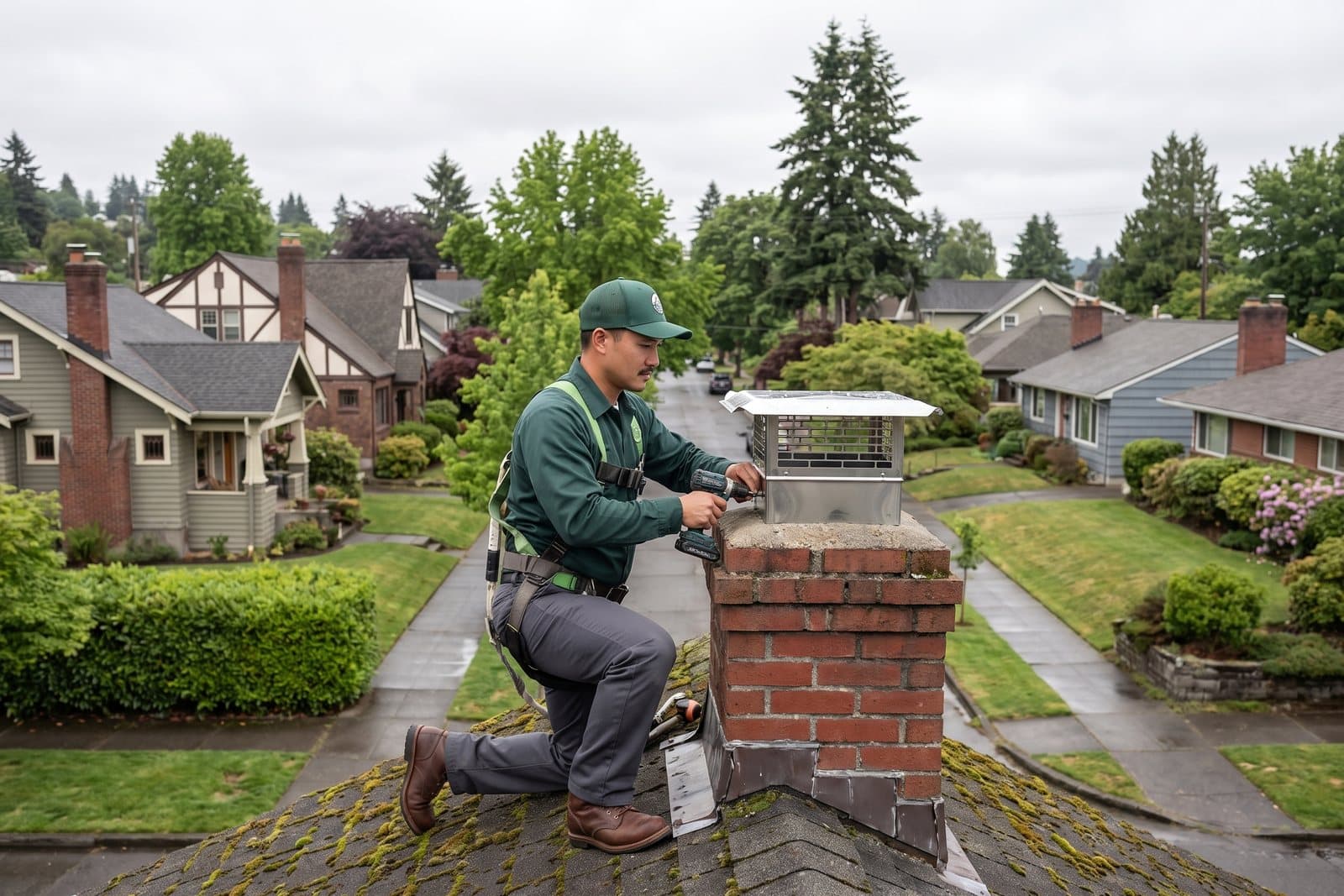
Flue-by-flue measurements, or the whole crown for a multi-flue hood
Learn more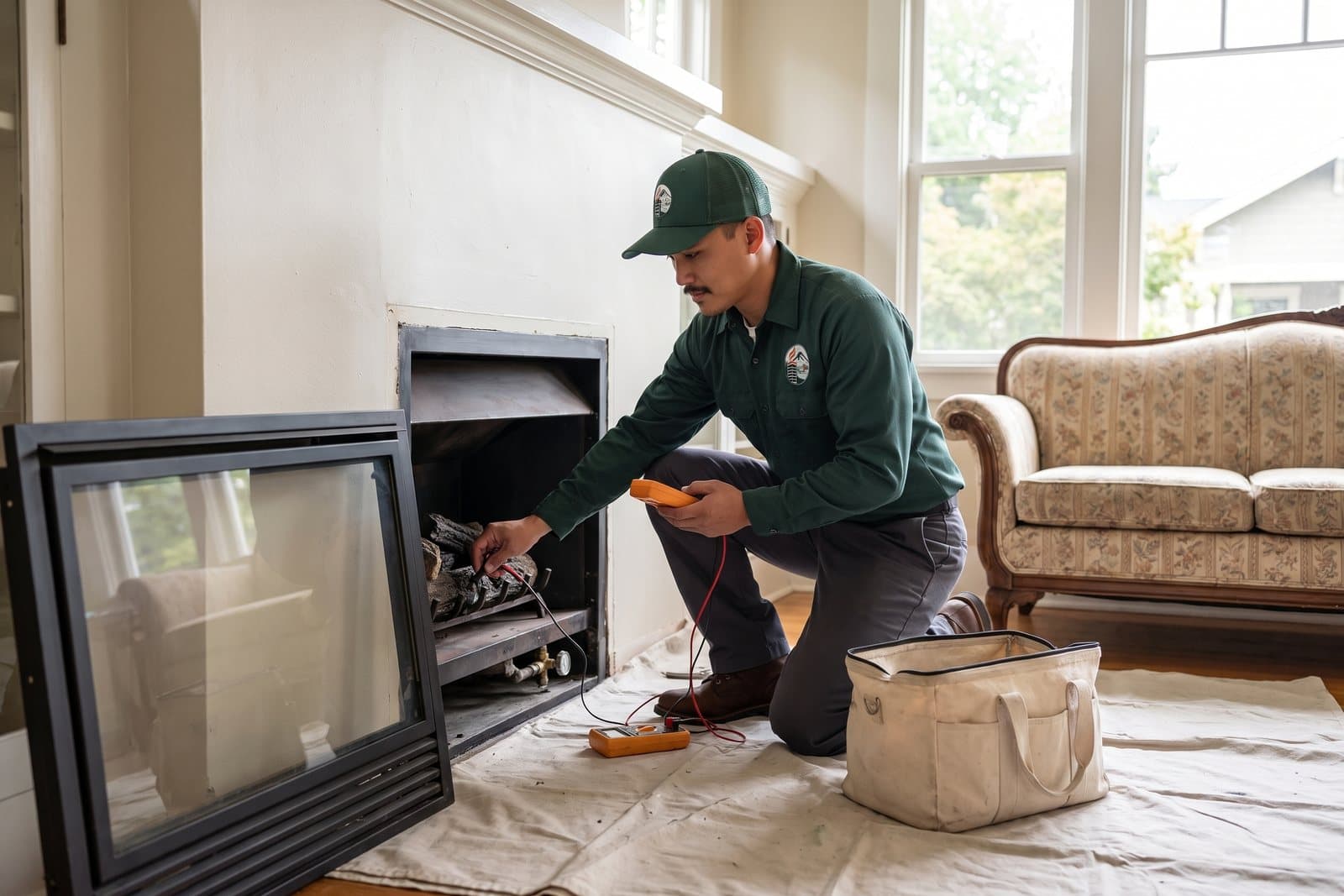
Cleaning and testing of the burner, pilot assembly and igniter
Learn more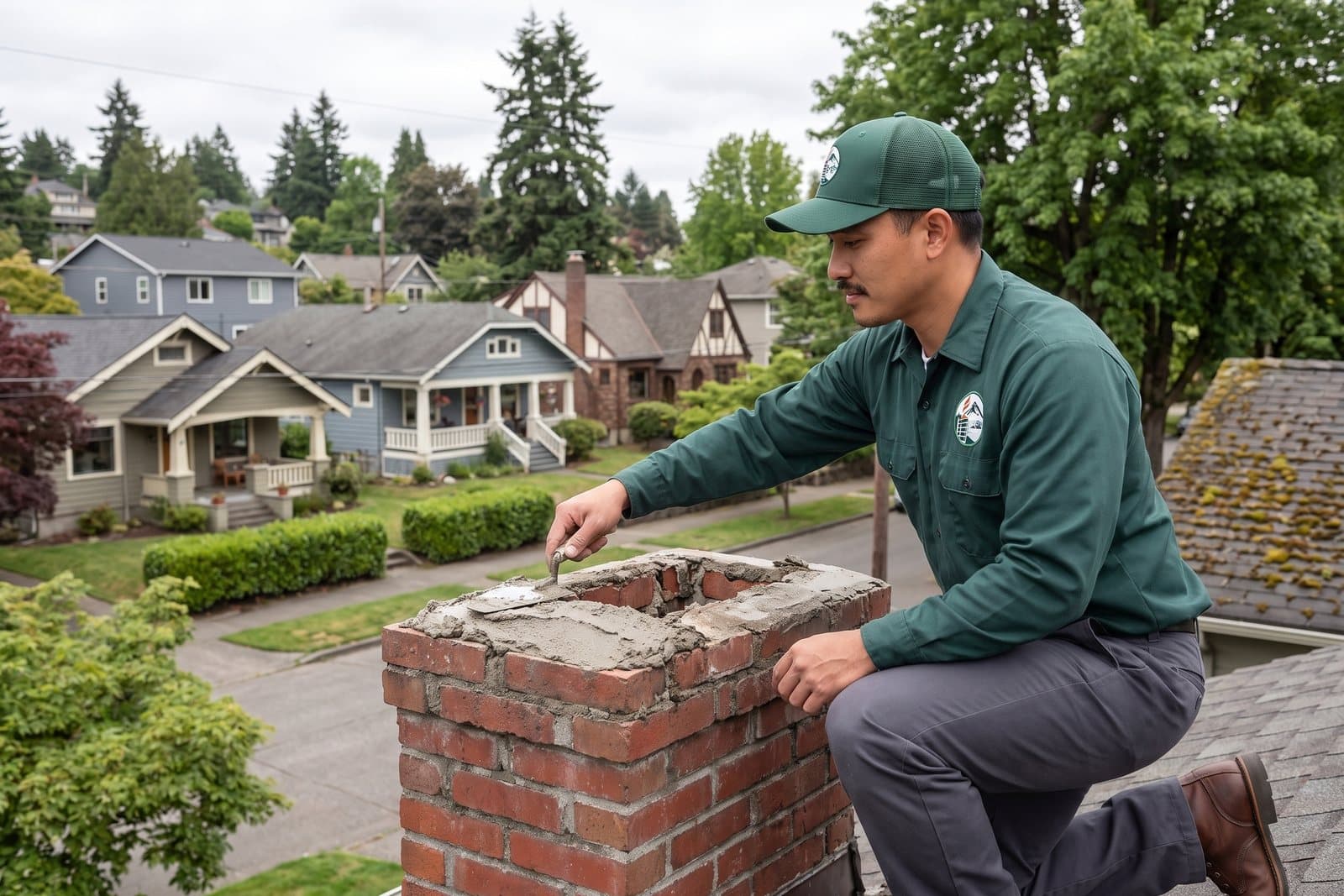
Starting photos: crown on top, then each side of the stack
Learn moreRanges shown for orientation — the exact figure is written up on-site, after the inspection.
Beacon Hill was not built in one go, and the brushes we carry reflect that. Seattle's 2004 historic context statement puts most single-family houses between McClellan Street and Jefferson Park in the years 1910 to 1929. South of Spokane Street the streets filled in during the 1940s war boom, and the east slope gained ranch houses from 1950 to 1962. A fireplace from 1915 and one from 1958 rarely share the same flue size or liner, so we measure before choosing a brush head. Nothing in the city's records says what any given address has, which is why the first ten minutes go to looking, not brushing.
The nearest long-running weather station to Beacon Hill is Boeing Field, at the foot of the ridge's west flank. WeatherSpark's summary of that station shows a wetter season that begins October 9, ends May 1 and lasts 6.8 months. Those are almost exactly the months a fireplace is in use, so soot on Beacon Hill spends its whole working life in damp air.
Damp soot behaves differently from dry soot. It clings to the liner, it is the source of the sour odor that drifts into living rooms on wet evenings, and it holds moisture against clay tile and mortar joints. January, the same source reports, is overcast or mostly cloudy about 72% of the time at Boeing Field, so a flue gets little help from the sun between storms. A brushing before the first fall fire removes the deposit before the rain starts working on it.
The dry spells between storms bring their own trouble. Clear, windless spells in late fall and winter trap the lowlands under an inversion, and that, per the WRCC's state climate narrative, is when air pollution here concentrates. A flue lined with damp soot draws poorly on exactly those evenings, and a lazy draft means more smoke hanging over the street. A clean, open flue is the cheapest way to keep a fire burning hot and short.
Every chimney sweep we do in Beacon Hill includes:
Smoke coming back into the room, or a smell that won't go? Book the inspection first.
Book nowTwo patterns come up on the hill. Fireplaces that sit unused from May to October collect whatever falls in during summer, and the first fire of fall pushes smoke back into the room. Households that burn only on cold snaps tend to run small, slow fires, which leave more deposit per log than a hot one. For a masonry fireplace, CSIA says to brush once the soot layer measures 1/8 inch, and sooner if any of it has turned glazed.
Cloth runners mark the path in from the entry; plastic closes off the fireplace mouth except where the vacuum hose passes. Furniture near the fireplace gets a sheet.
We check the flue size, the liner type and the depth of deposit with a light and a camera, so the brush matches the flue it will travel.
Pitch and weather decide whether the rods enter from above or from the firebox. The brush covers every foot between the smoke chamber and the cap.
At the roof we clear the cap screen and look at the crown and the flashing while the ladder is up.
Photos of the swept flue arrive the same day, with a short list of anything worth watching.
What this work is quoted at for Beacon Hill homes — the exact figure comes from the $99 on-site inspection, credited toward the work.
| Service | Price in Beacon Hill | What that covers |
|---|---|---|
| Chimney Sweep | $189–$449 | Full flue swept, Level 1 inspection included |
| Chimney Inspection | $99 plus tax | Level 1 visual; Level 2 adds a full camera scan |
| Chimney Relining | From $1,900 | Full-length stainless liner, sized to the appliance |
| Chimney Repair | From $425 | Masonry repair — brick and mortar, scoped after diagnosis |
| Chimney Cap Installation | $235–$850 | Stainless cap fitted; multi-flue and custom at the top |
Ranges are what these jobs are quoted at in Beacon Hill. The exact figure is set on site after a $99 inspection (credited toward the job if you go ahead), and you approve it before any work starts.
Beacon Hill is a Seattle neighborhood strung along a north-south ridge that reaches 350 feet, with houses built mostly from 1910 to 1929 between McClellan Street and Jefferson Park, and wartime streets of the 1940s south of Spokane Street. We work every part of it — North Beacon Hill, Mid-Beacon Hill, South Beacon Hill included.
Beacon HillKing County, WA · 47.579, -122.311
Before and after
Illustrations of what each repair changes on a typical chimney — not photos of a specific job.
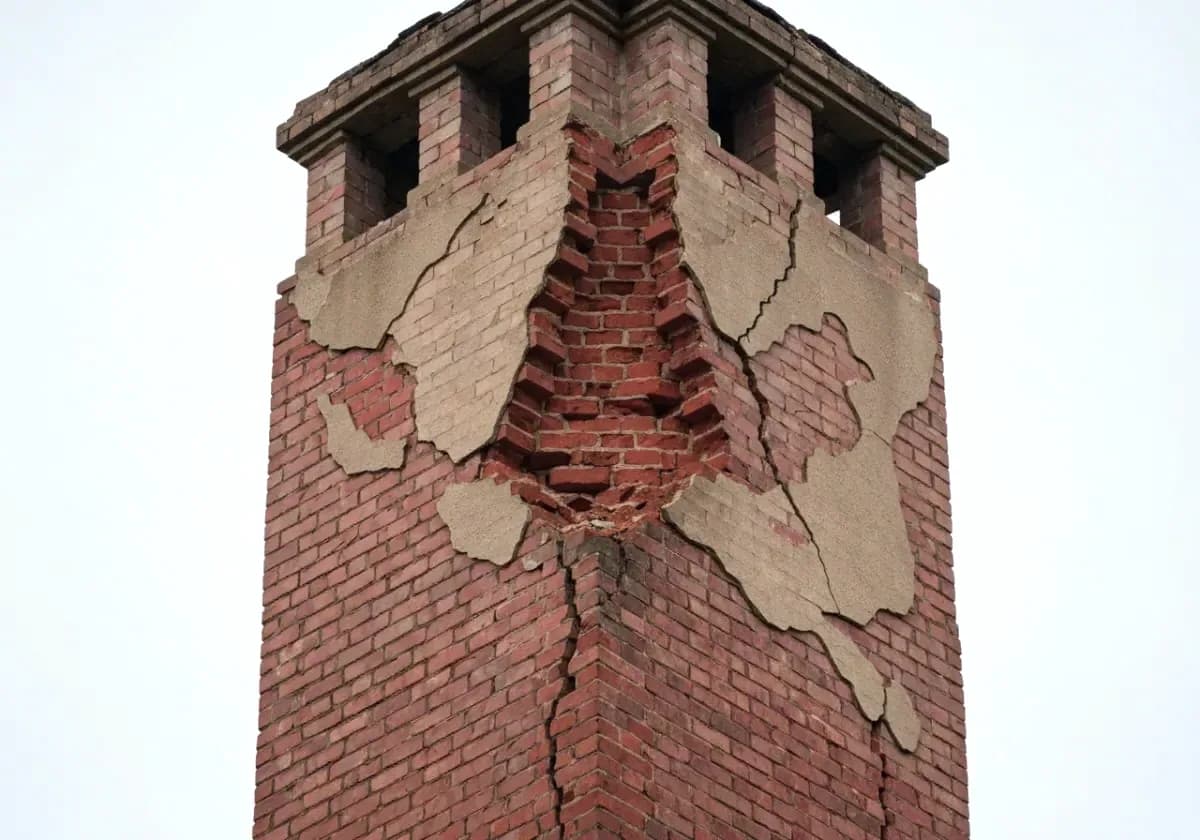 Before
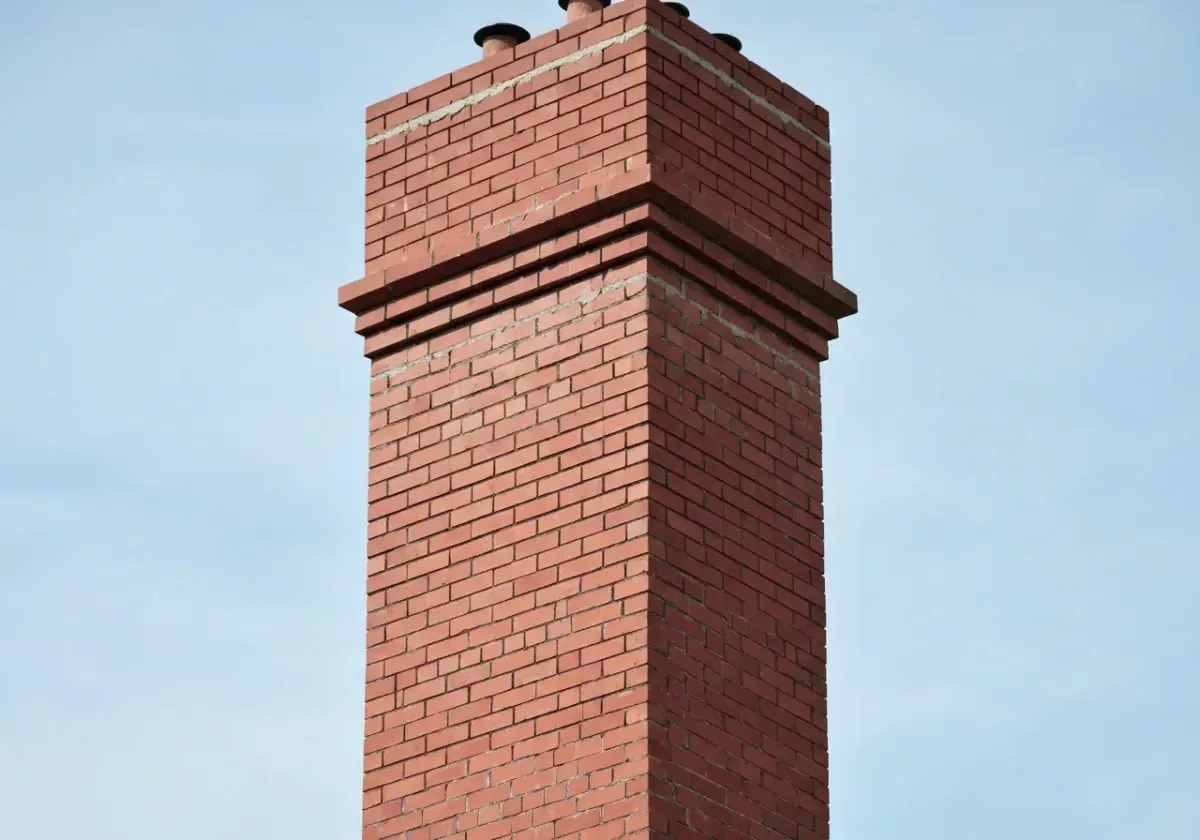 After
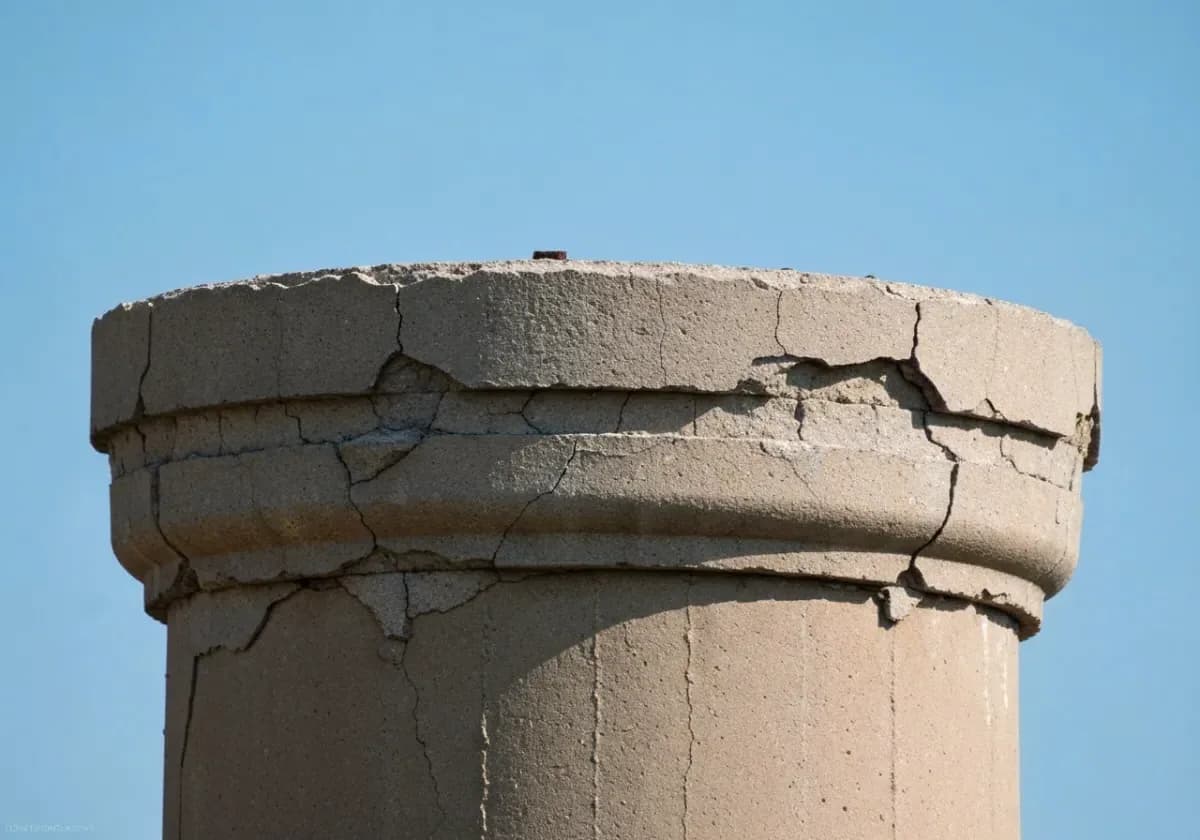 Before
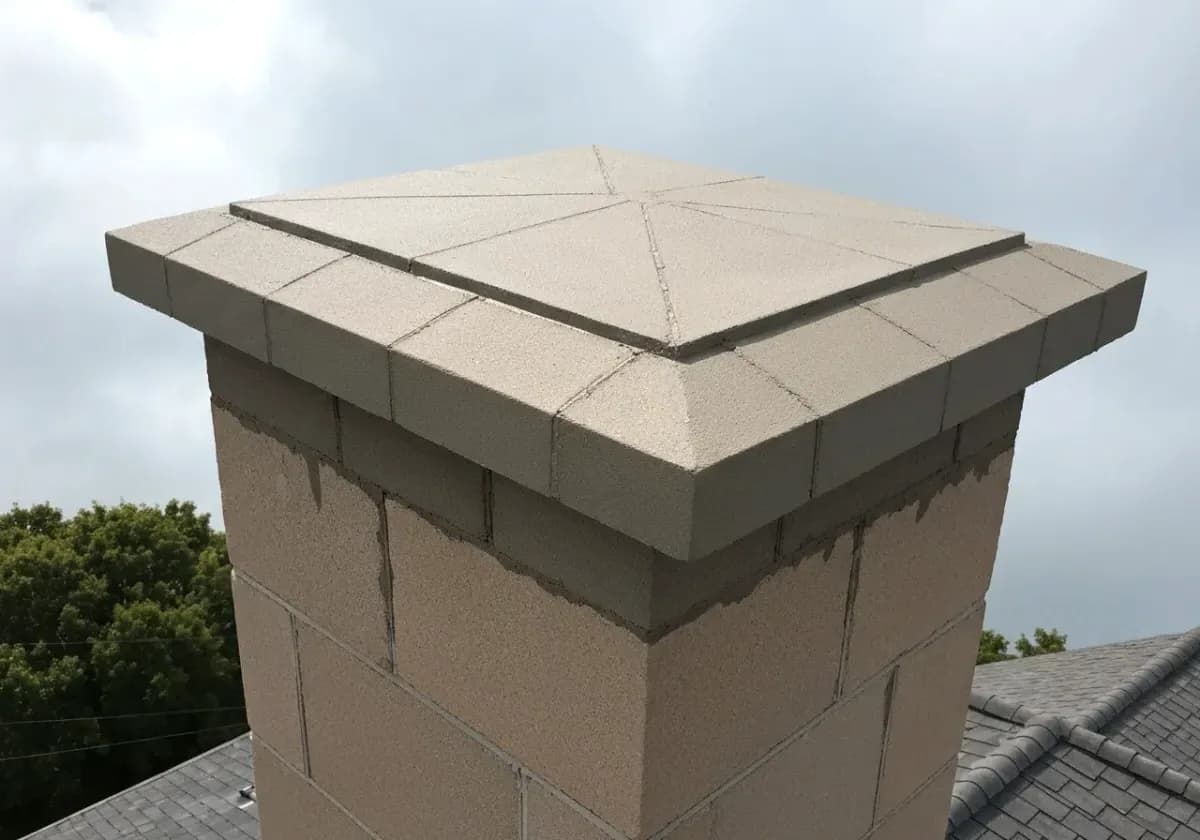 After
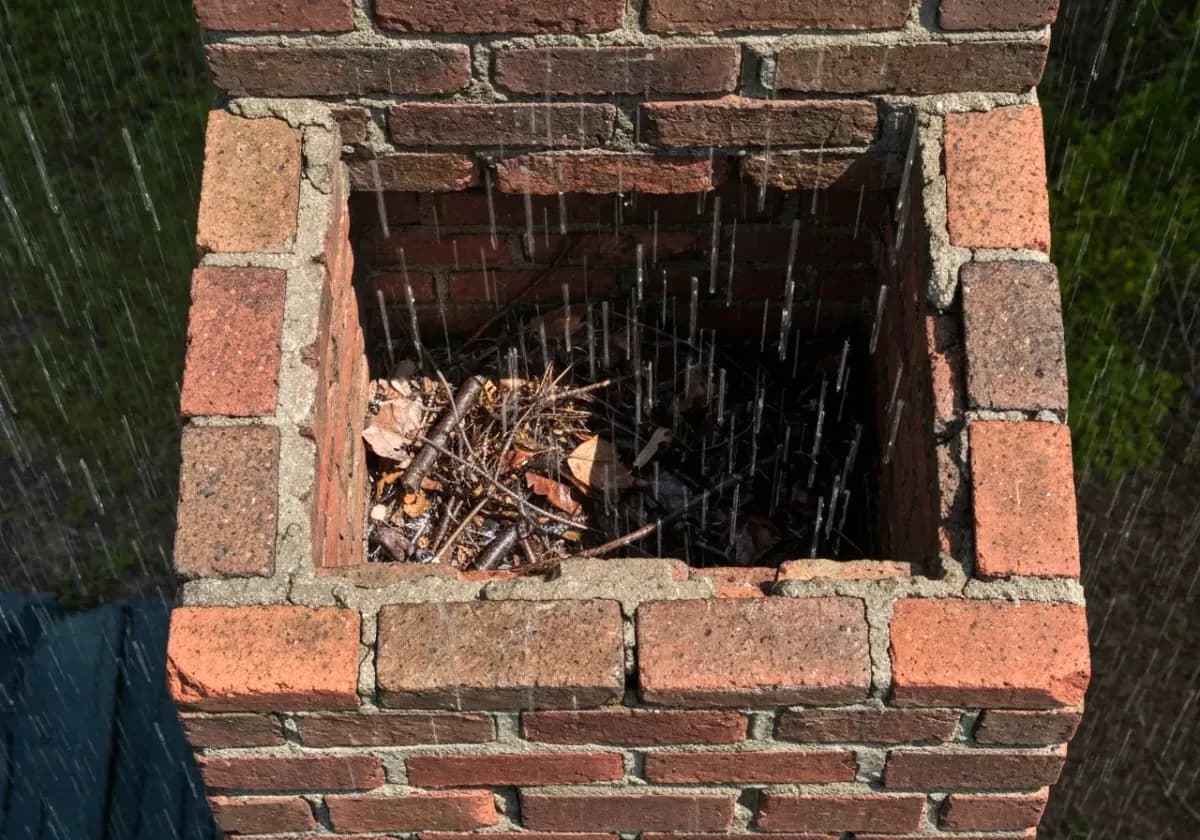 Before
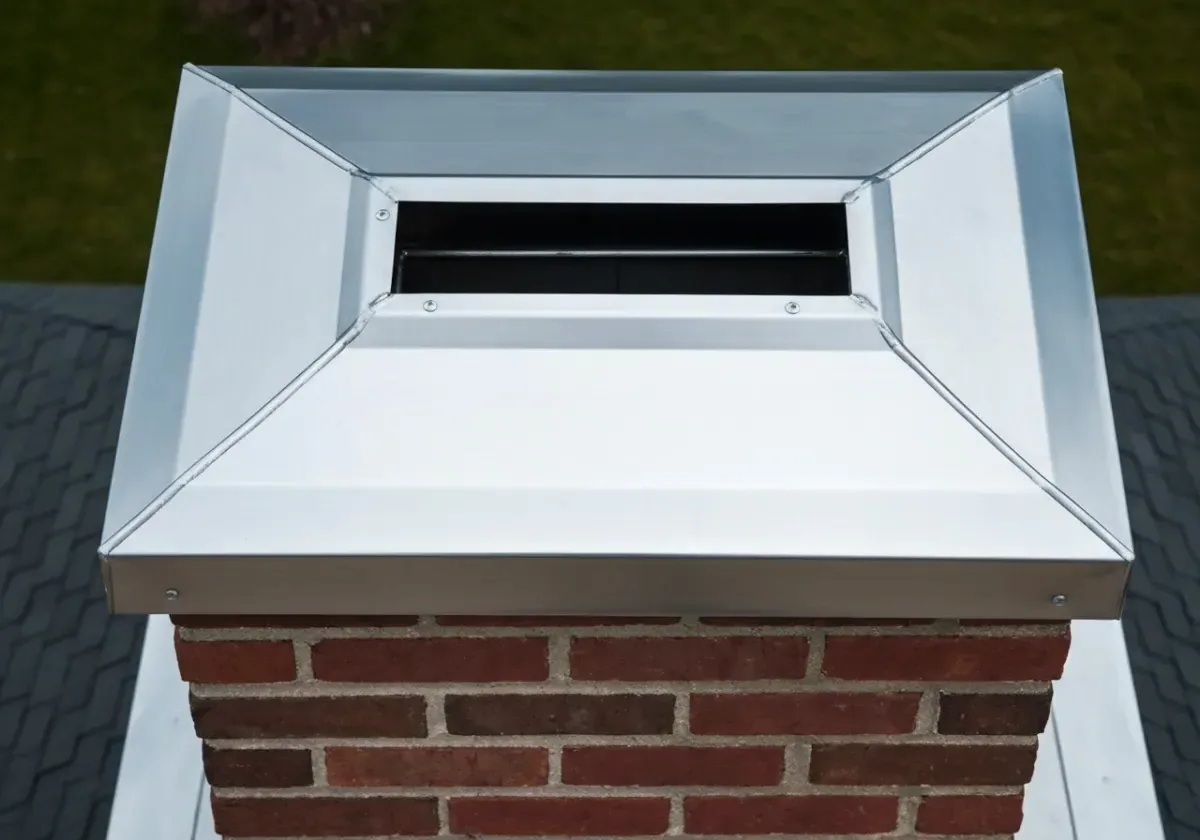 After

Four steps, each one on paper — so you always know what happens next.
Choose a genuine opening on the crew's calendar. Confirmation is immediate.
Liner, crown, cap, flashing and masonry examined in order — each finding photographed.
One document, plain numbers, covering only the work your chimney genuinely needs.
The repair is completed, then handed over with before-and-after photos of every item.
$189 to $449 per flue. Roof pitch, flue height, the type of appliance and the amount of deposit set the figure, and we tell you which end of the range applies before starting.
The national standard CSIA cites, NFPA 211, calls for a yearly look at every chimney, used or not. Brushing is due once soot reaches 1/8 inch.
Usually, yes. On a wet day we work from the firebox upward and go on the roof only to clear the cap if the pitch is safe.
They are different bookings. The diagnostic, at $99 plus tax, exists to track down a problem and price the fix, and the $99 is credited if you approve that fix. Routine brushing is priced within its own range.
A $99 on-site inspection, a written quote before any work, and photos of every item we touch.