Beacon Hill, King County
A chimney cap installed on Beacon Hill costs $235 to $850. A stainless cap on a single flue tile is the low figure. Two or three flues under a single lid, or a size no catalog stocks, lands at the top of that range. Flue and crown are measured on the roof before anything is ordered, which avoids a second trip for a lid that turned out an inch short.
Typical investment
$235–$850
Book an inspection
Book your $99 inspection
$99 plus tax, deducted when you approve the repair
Not sure where to start
Pick what you're seeing at your Beacon Hill home — we'll point you to the right fix.
What we do
The same crew, the same written quote — for Beacon Hill homes.
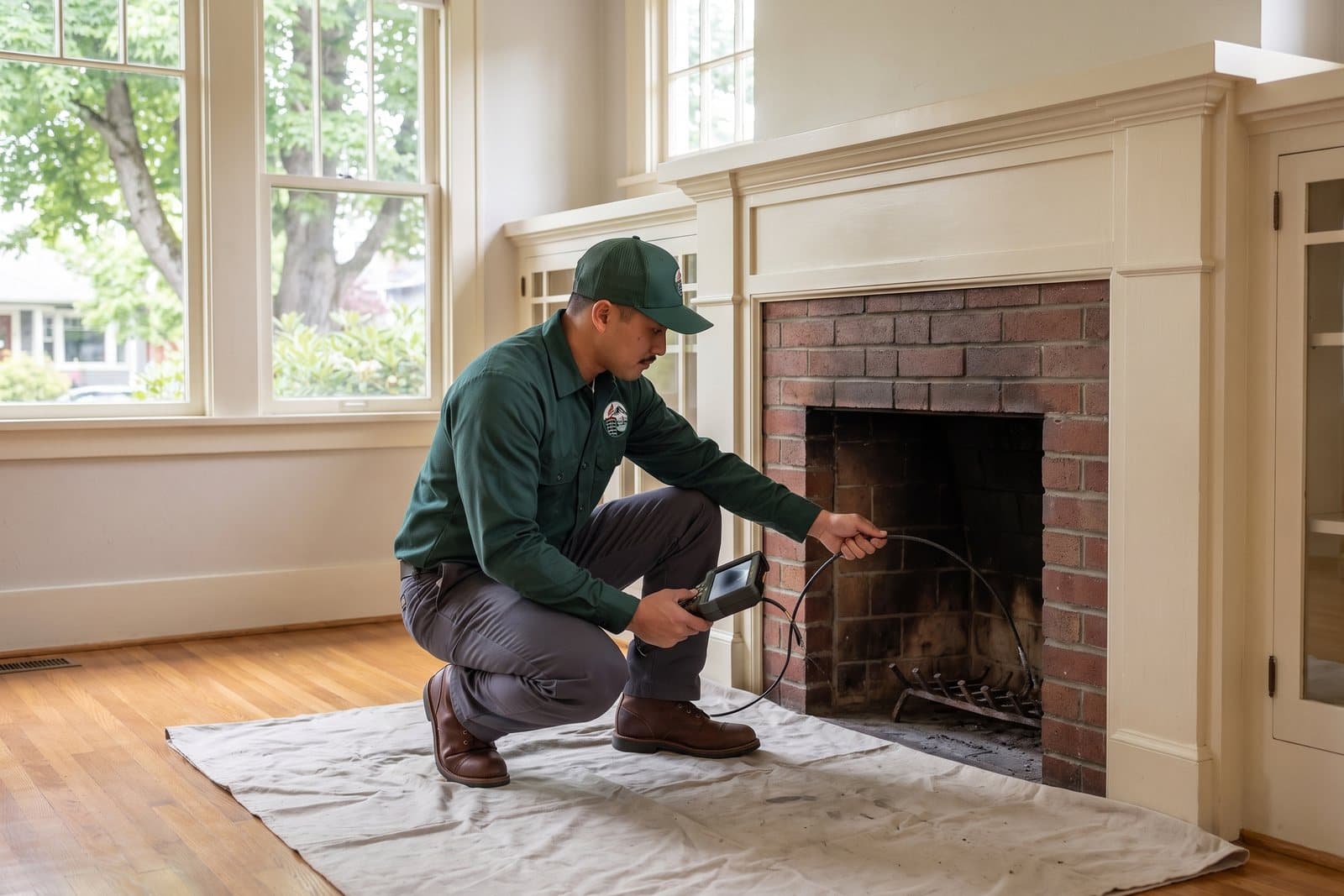
Level 1: every reachable component checked, with a Level 2 camera run added if something stays unclear
Learn more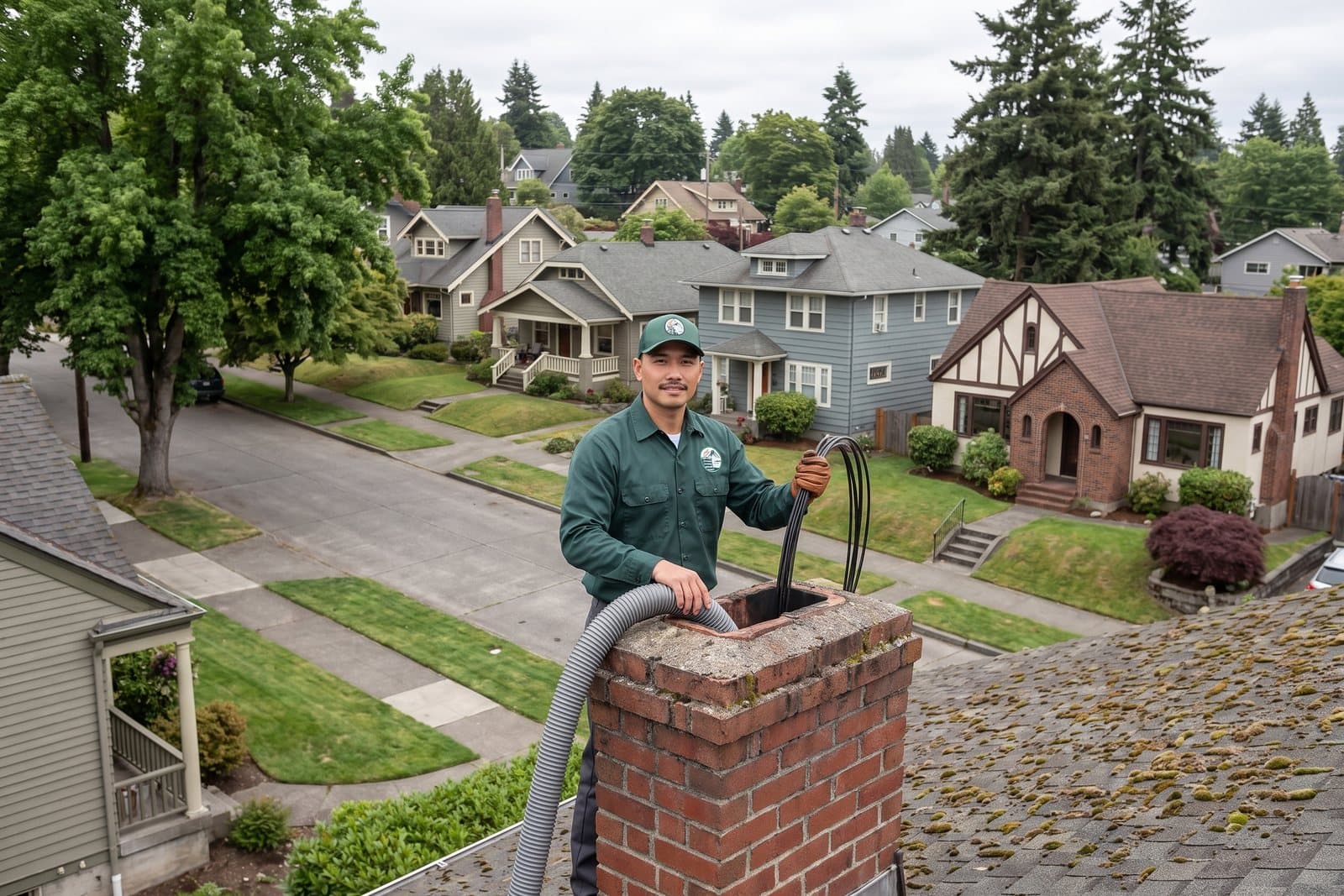
Full-height brushing with a head chosen for clay tile or metal liner
Learn more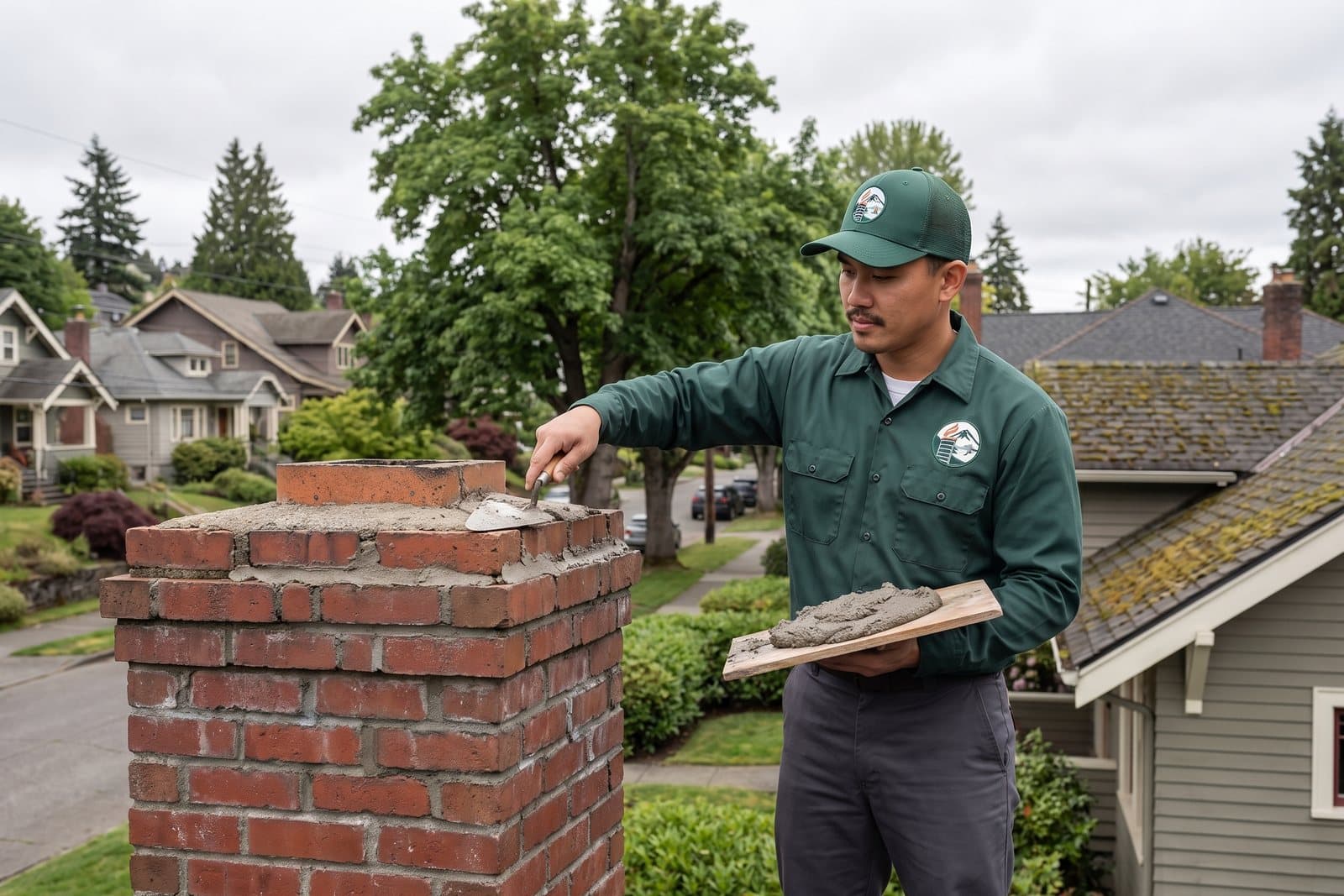
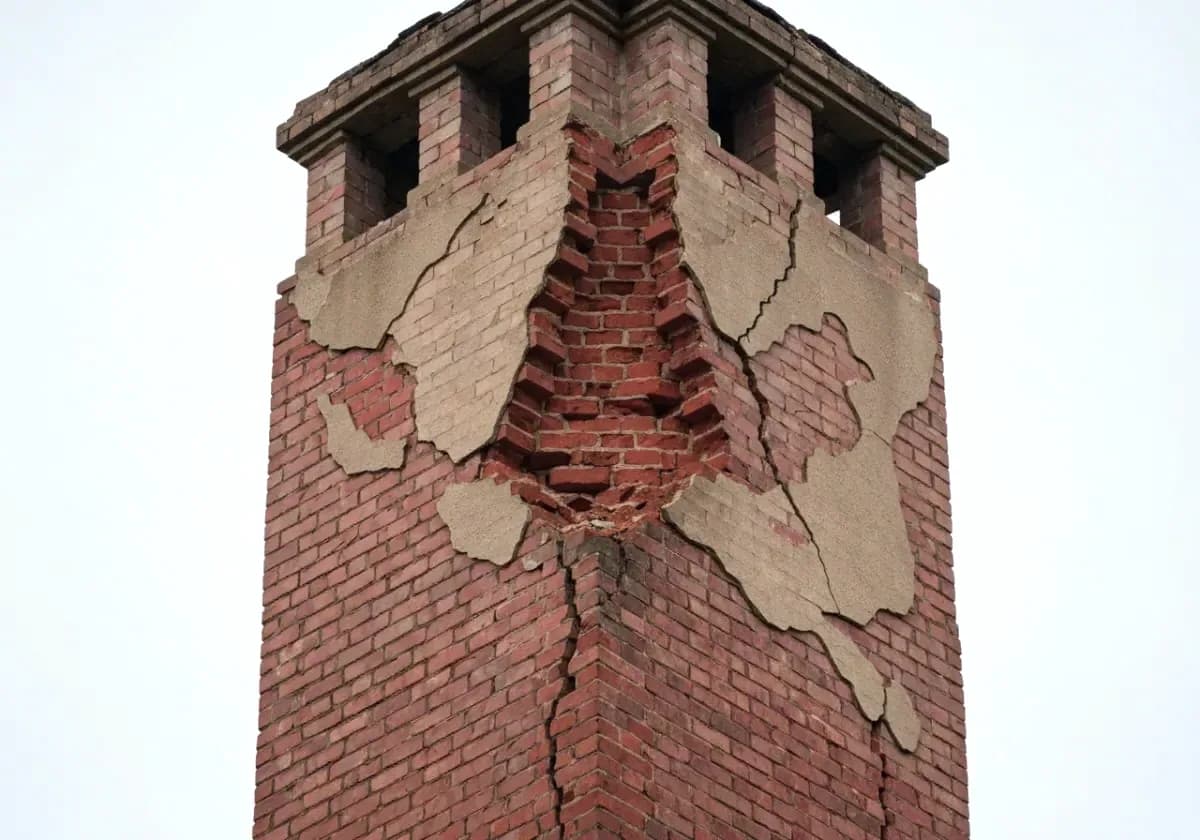
Photo assessment sorting surface wear from structural failure
Learn more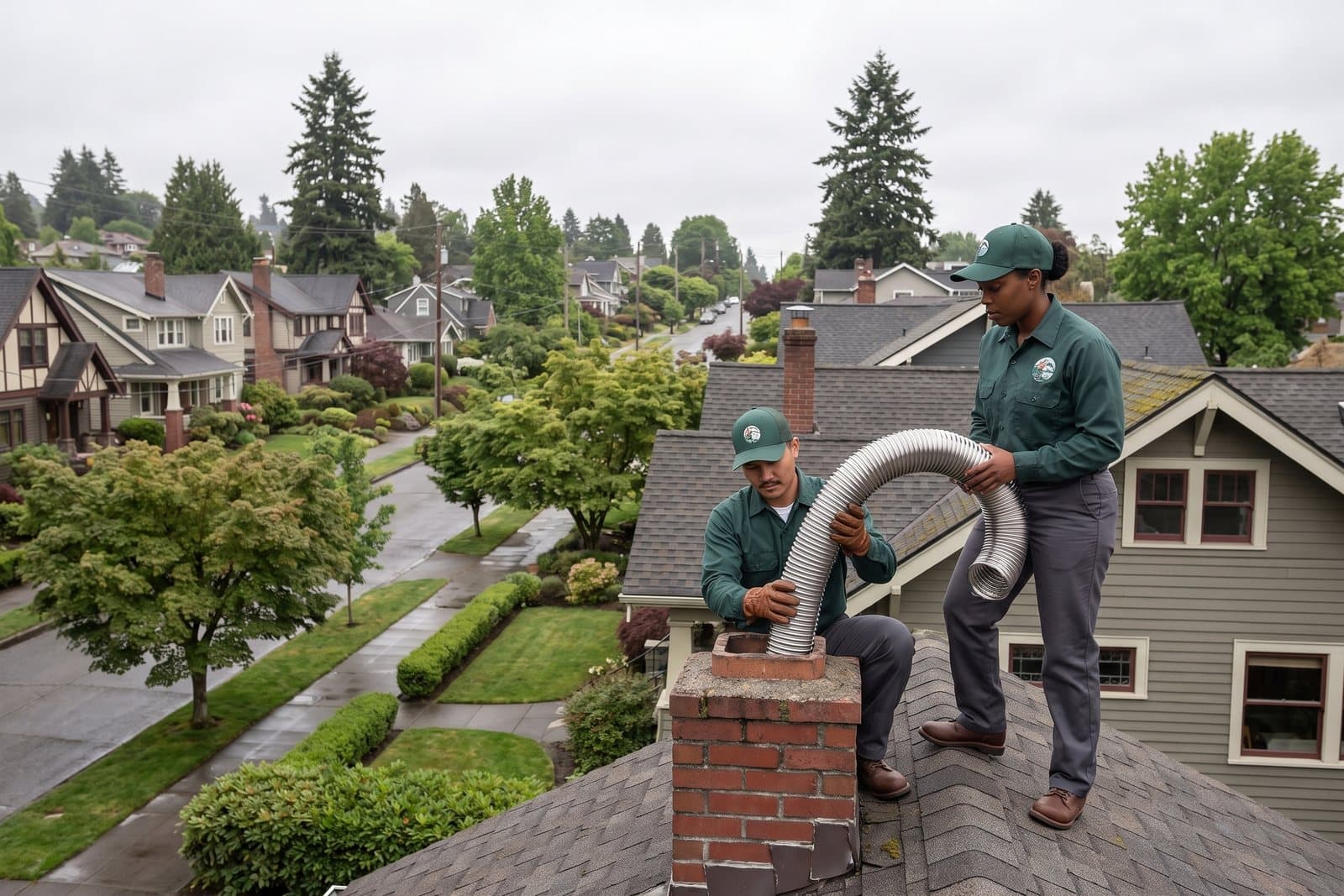
Video survey and flue measurements taken before ordering anything
Learn more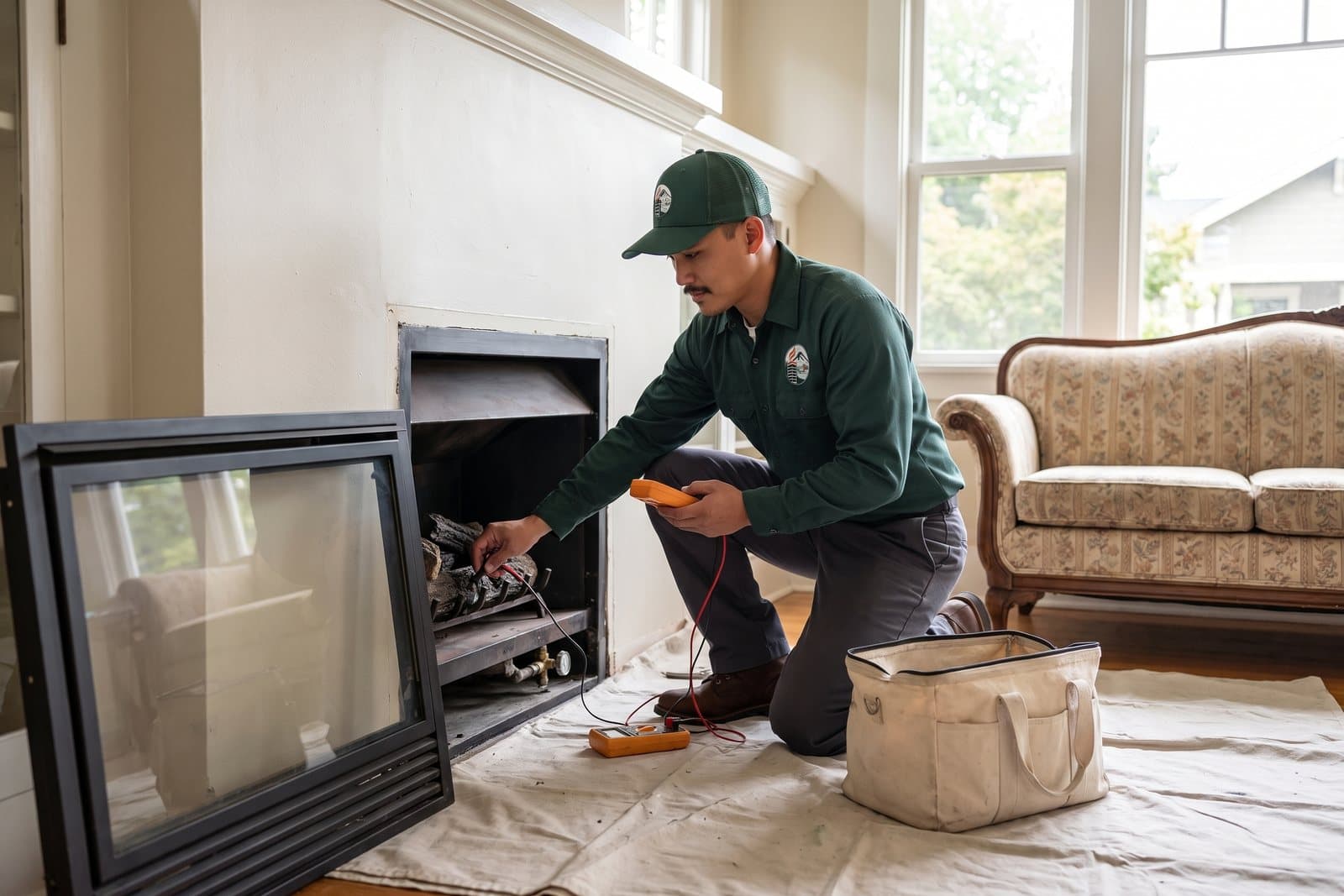
Cleaning and testing of the burner, pilot assembly and igniter
Learn more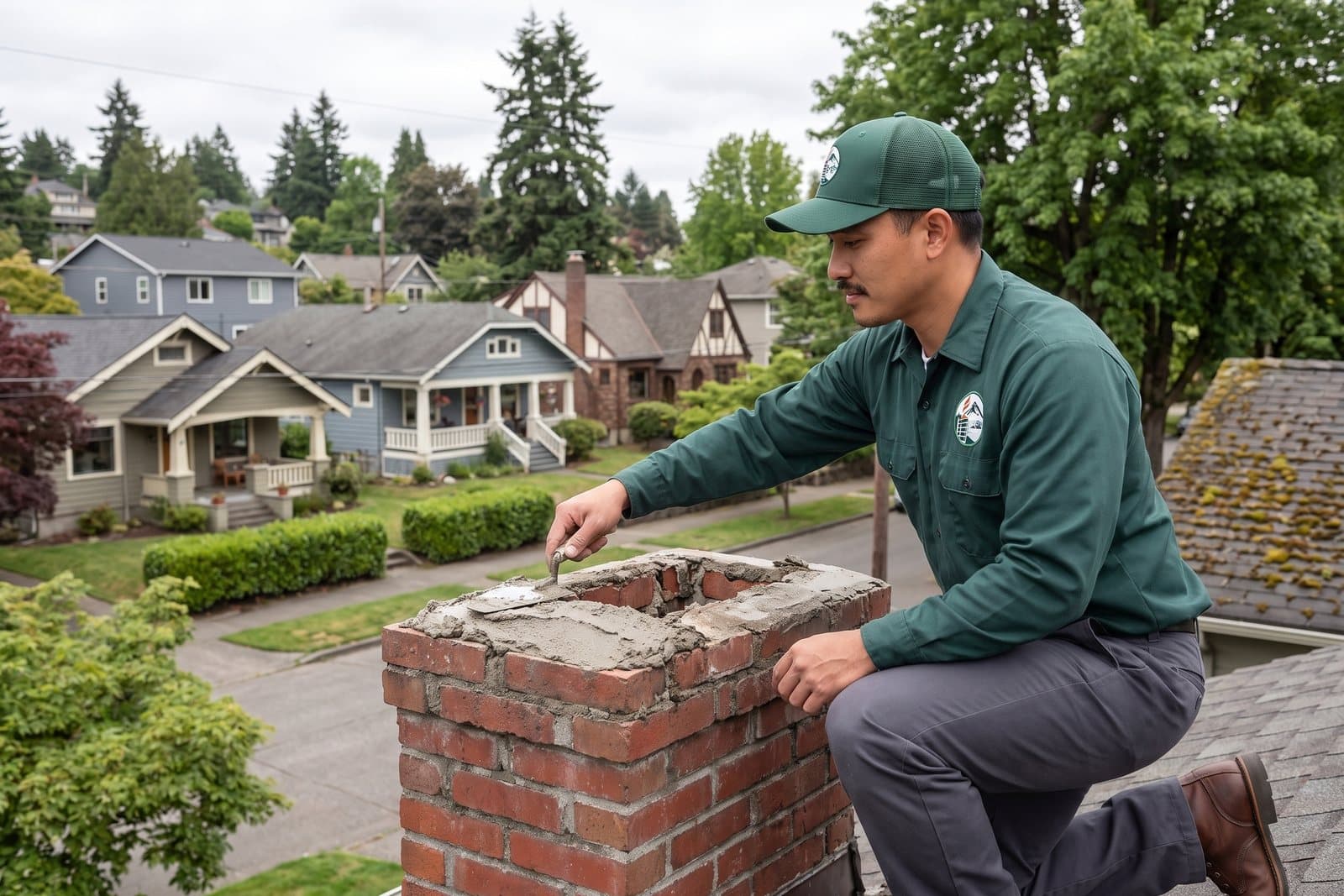
Starting photos: crown on top, then each side of the stack
Learn moreRanges shown for orientation — the exact figure is written up on-site, after the inspection.
Caps matter on high ground. The city's 2004 context statement gives Beacon Hill's summit as 350 feet, with a gentle slope east toward Rainier Avenue South and Interstate 5 along the west flank where tideflats used to be. Houses on the crest have little around them to break the wind, and a cap held on by friction alone can end up in a neighbor's yard. On a house from the hill's 1910 to 1929 building wave we also check the top flue tile itself: a cap clamps to that tile, and a tile cracked by a century of weather will not hold a clamp.
December is the windiest month at Boeing Field, just below Beacon Hill, where WeatherSpark records an average wind speed of 5.2 mph for the month against 3.0 mph in July. Averages hide the nights that matter. Seattle's emergency management office describes the strongest Puget Sound windstorms as sustaining 60 to 70 mph and gusting to 90.
A chimney cap is the highest loose object on a house, so we fasten it for the storm, not the average. The same wet season delivers 16.6 wet days in November alone at that station, and every one of them sends water straight down an open flue. A fixed stainless cap handles both problems: it keeps rain out of the liner and it is still there in the morning.
Every chimney cap installation we do in Beacon Hill includes:
Smoke coming back into the room, or a smell that won't go? Book the inspection first.
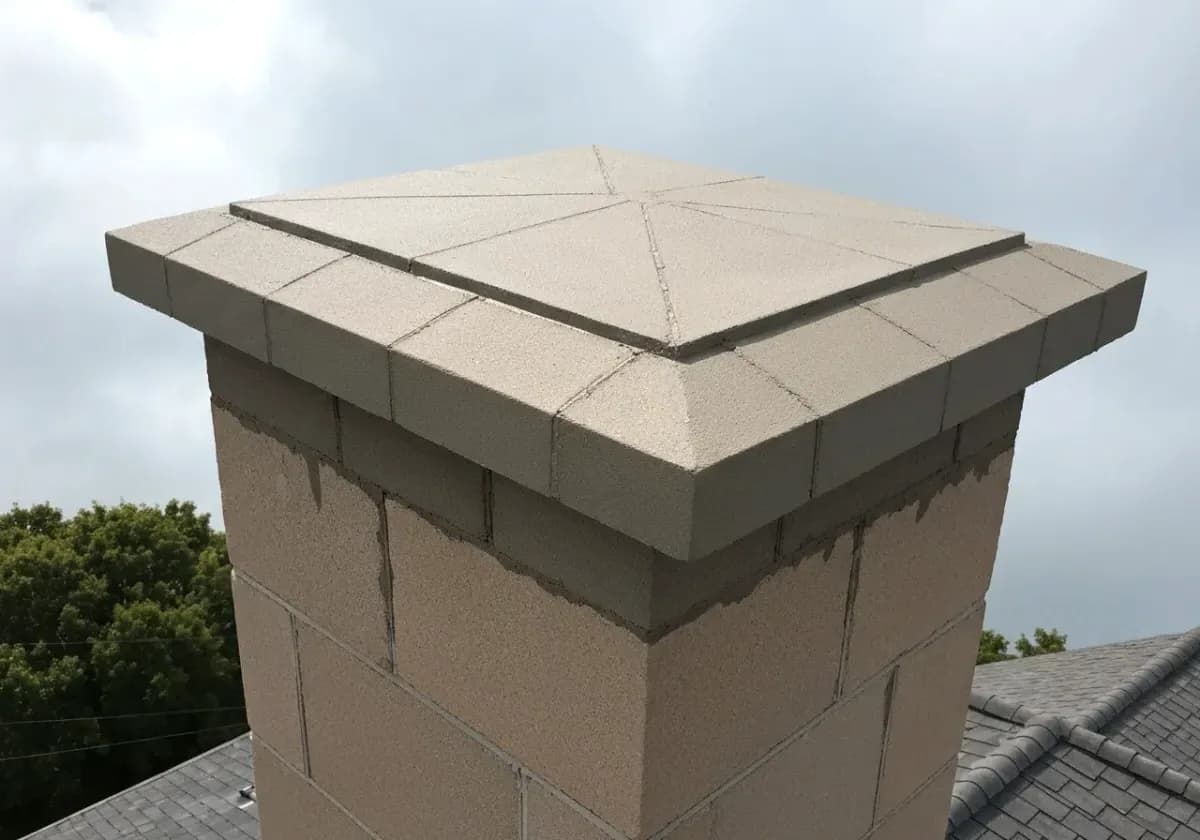
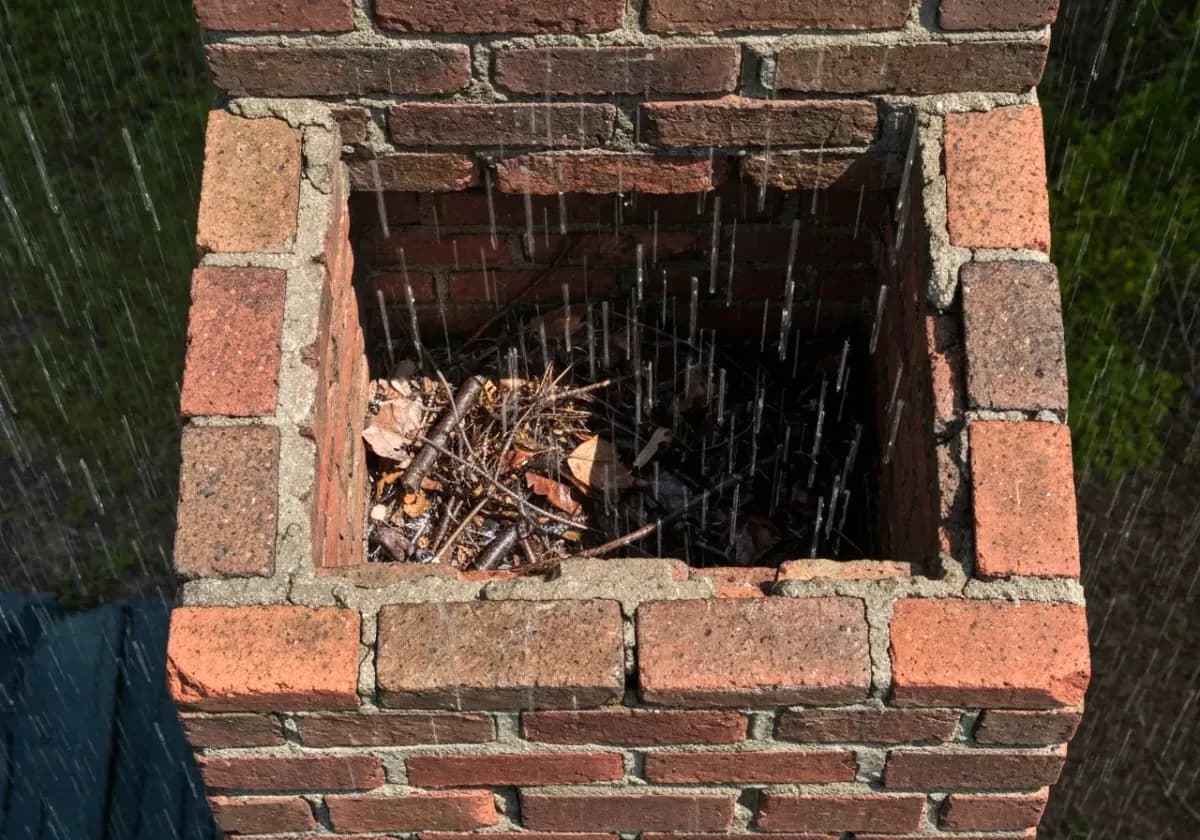
Book nowThe uncapped flue is the most common thing we find on older stacks here, followed by the rusted cap that has stained the crown orange. An open flue takes in rain directly, and in spring it attracts birds looking for a sheltered cavity. Section R1003.9.1 of the city's code is specific about the masonry top beneath the metal one: stone, concrete or metal, pitched so rain drains away, finished with a drip edge.
On the roof we record the outside dimensions of each flue tile, the crown's size and how many flues share it.
Whether it ends up a single-flue, multi-flue or custom cap depends on our measurements and on the appliance below, because gas and wood call for different openings.
Loose mortar and old sealant are cleaned off. A cracked top tile or crown is pointed out before the cap goes on, because the cap is only as secure as what it grips.
The cap is clamped or anchored mechanically, with fasteners chosen for an exposed roof.
You receive photos from the roof and a note on the condition of the crown and flashing seen during the visit.
Roof moss, in the words of an Oregon State University Extension article, is inevitable in this wet corner of the country, and shade feeds it as much as rainfall does. A cap's mesh sits in exactly those conditions on a shaded roof, and it also catches leaves and seed fluff carried up on the wind. A screen that mats over narrows the flue's outlet and can push smoke back down.
We size the mesh to the code's range, coarse enough not to clog in one season, and we tell owners to look at the cap from the yard each fall. Seattle's code also wants the masonry cap under it sloped with a drip edge, so that debris and water run off the crown and do not sit against the flue tile.
What this work is quoted at for Beacon Hill homes — the exact figure comes from the $99 on-site inspection, credited toward the work.
| Service | Price in Beacon Hill | What that covers |
|---|---|---|
| Chimney Cap Installation | $235–$850 | Stainless cap fitted; multi-flue and custom at the top |
| Chimney Sweep | $189–$449 | Full flue swept, Level 1 inspection included |
| Chimney Inspection | $99 plus tax | Level 1 visual; Level 2 adds a full camera scan |
| Chimney Relining | From $1,900 | Full-length stainless liner, sized to the appliance |
| Chimney Repair | From $425 | Masonry repair — brick and mortar, scoped after diagnosis |
Ranges are what these jobs are quoted at in Beacon Hill. The exact figure is set on site after a $99 inspection (credited toward the job if you go ahead), and you approve it before any work starts.
Beacon Hill is a Seattle neighborhood strung along a north-south ridge that reaches 350 feet, with houses built mostly from 1910 to 1929 between McClellan Street and Jefferson Park, and wartime streets of the 1940s south of Spokane Street. We work every part of it — North Beacon Hill, Mid-Beacon Hill, South Beacon Hill included.
Beacon HillKing County, WA · 47.579, -122.311
Before and after
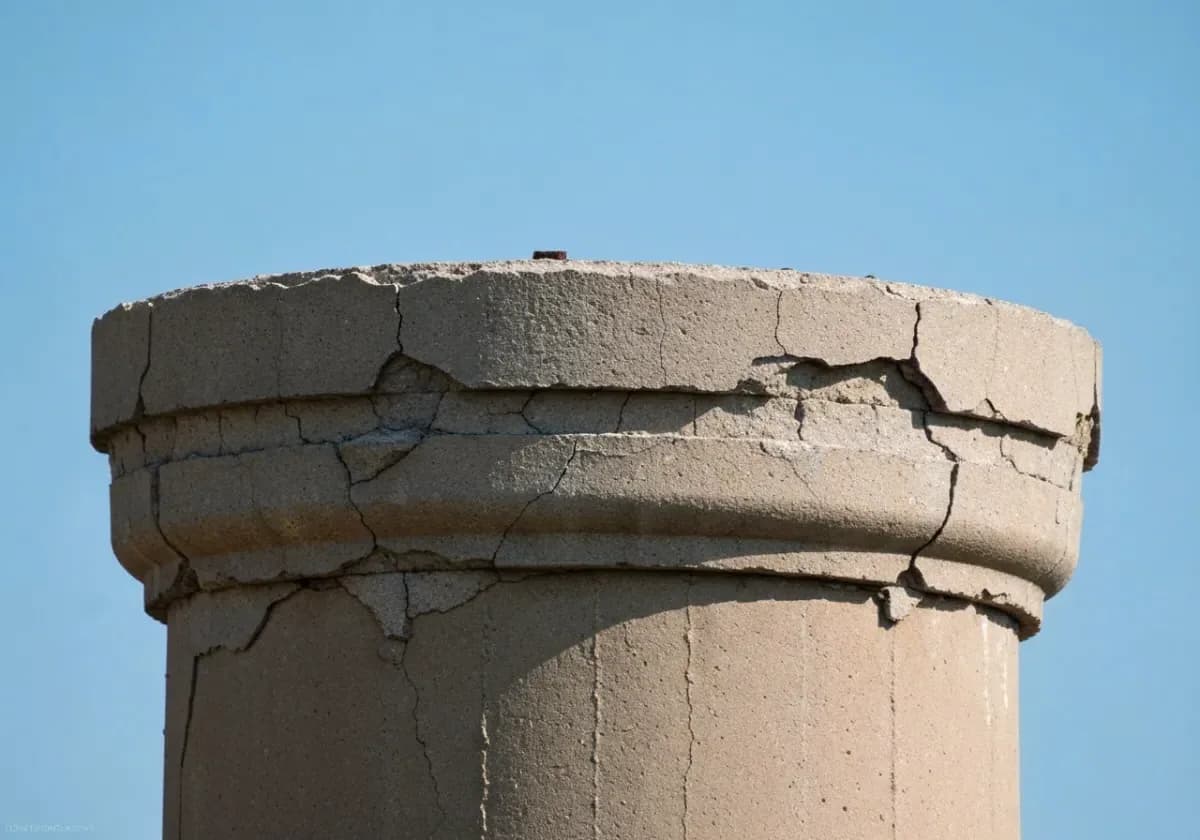
Illustrations of what each repair changes on a typical chimney — not photos of a specific job.
 Before
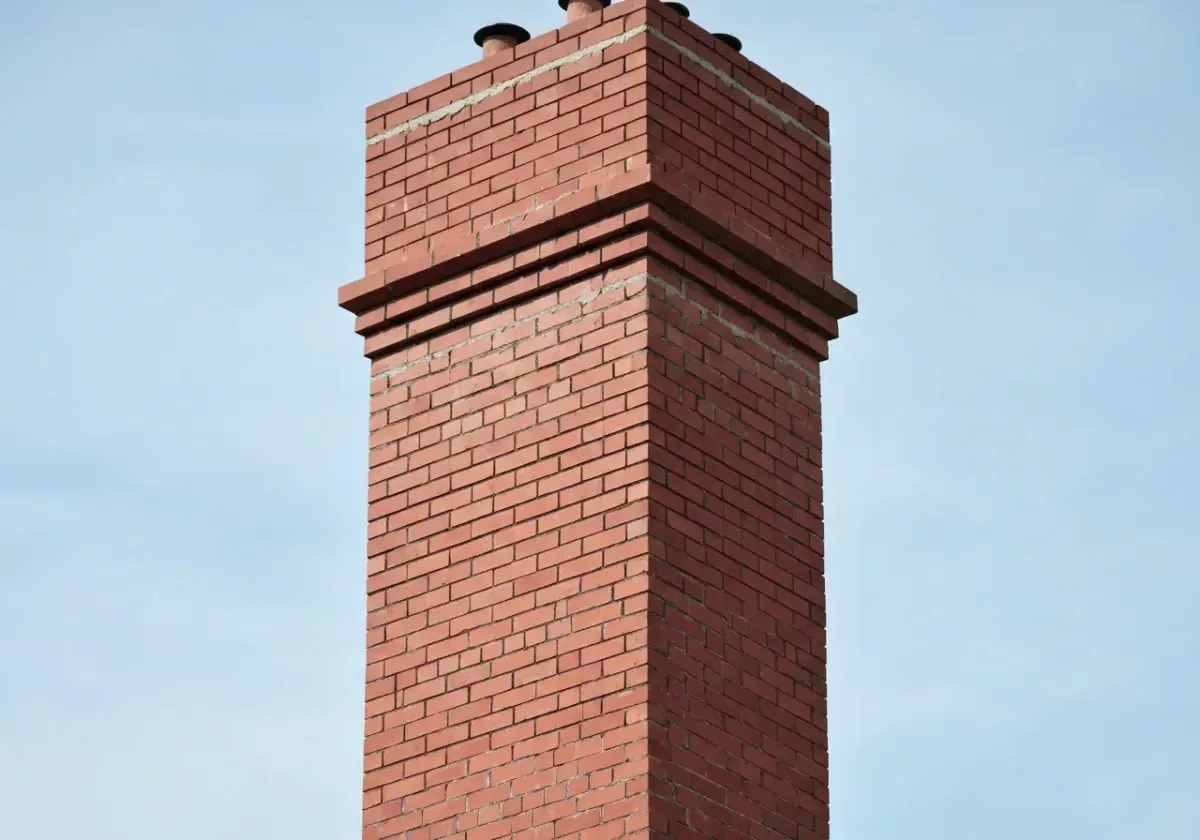 After
 Before
 After
 Before
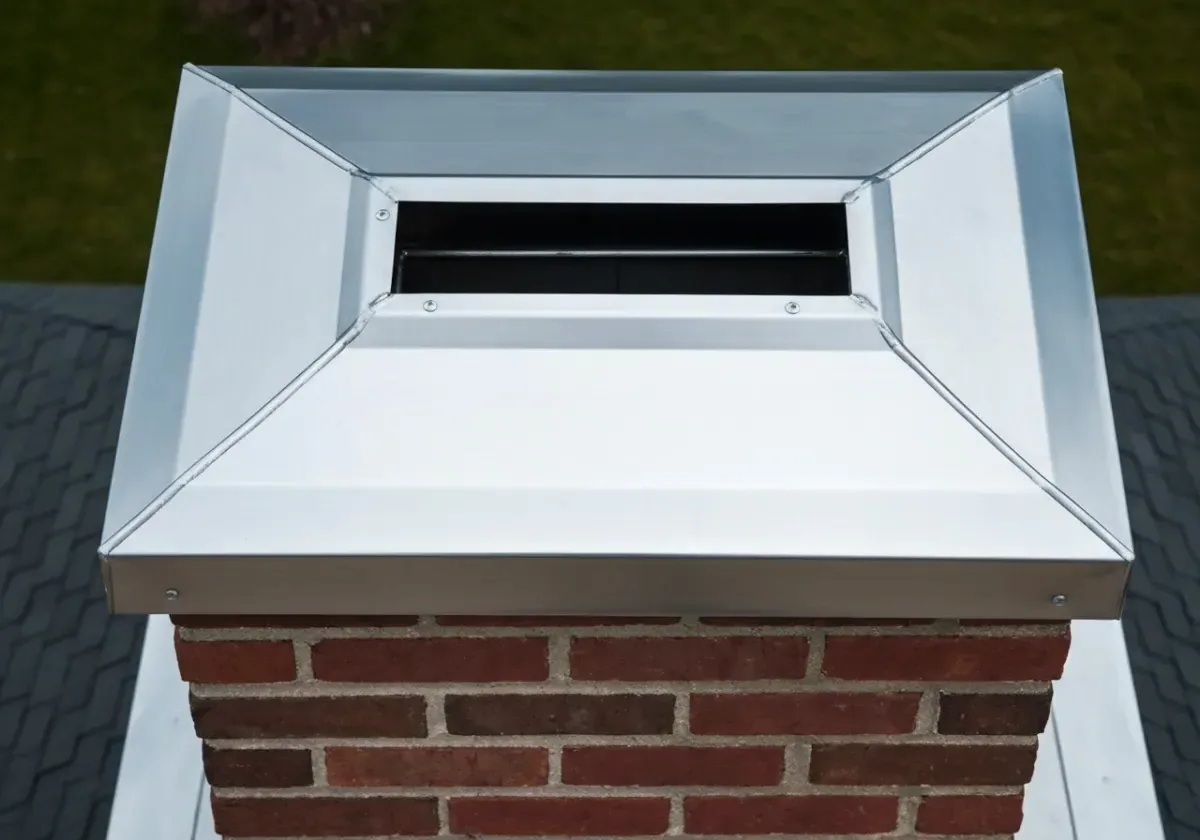 After

Four steps, each one on paper — so you always know what happens next.
Choose a genuine opening on the crew's calendar. Confirmation is immediate.
Liner, crown, cap, flashing and masonry examined in order — each finding photographed.
One document, plain numbers, covering only the work your chimney genuinely needs.
The repair is completed, then handed over with before-and-after photos of every item.
Installed, the range is $235 to $850. A lone standard-size flue costs least; shared crowns and special-order sizes cost most.
A correctly sized cap does not. When a spark arrestor screen is fitted, Seattle's code wants the screen's open area to equal the flue outlet four times over, so the passage stays generous.
Under the residential code, an arrestor's mesh has to block a ball 1/2 inch across yet admit one of 3/8 inch. That keeps birds and large embers on the correct side without clogging quickly.
A cap can be quoted and fitted on its own. If you want the whole chimney examined, that diagnostic call is billed at $99 plus tax, a sum we credit once you accept the quote it produces.
A $99 on-site inspection, a written quote before any work, and photos of every item we touch.