As the grey skies return and the crisp air signals the approach of winter, South Seattle homeowners in neighborhoods like Beacon Hill, Columbia City, and Seward Park begin to think about staying warm. For those with fireplaces or wood-burning stoves, preparing your chimney for the season is a critical step to ensure both safety and efficient heating.
Schedule Your Annual Inspection and Sweep
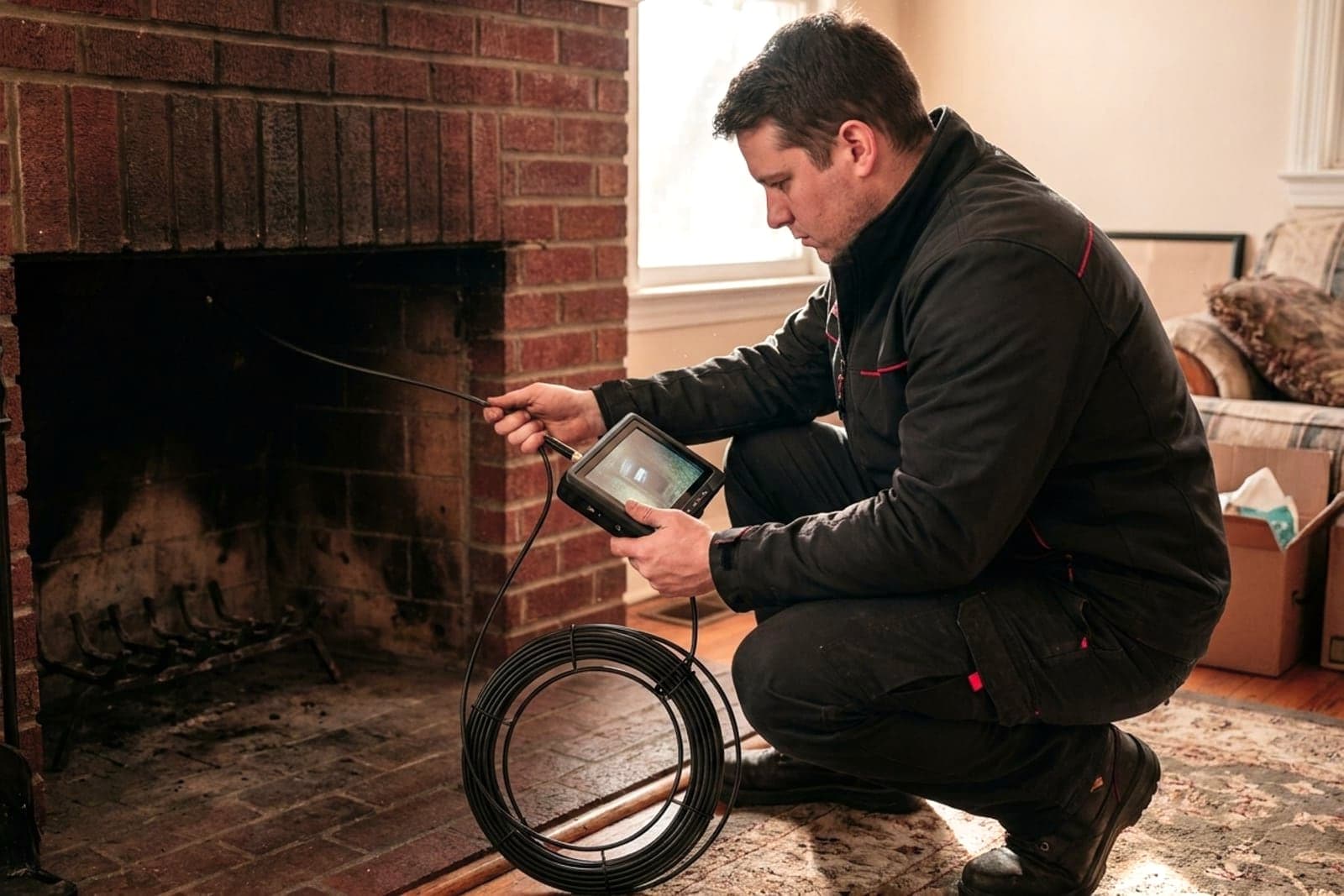
Before you even consider lighting that first cozy fire, the most crucial step is to schedule a professional chimney inspection and sweep. A certified technician will thoroughly examine your entire chimney system, from the firebox to the chimney cap.
This inspection identifies any lurking hazards like creosote buildup, blockages from animal nests, or structural damage, ensuring your chimney is clear, safe, and ready for use. It's paramount for preventing chimney fires and carbon monoxide leaks.
Check for Masonry and Mortar Issues
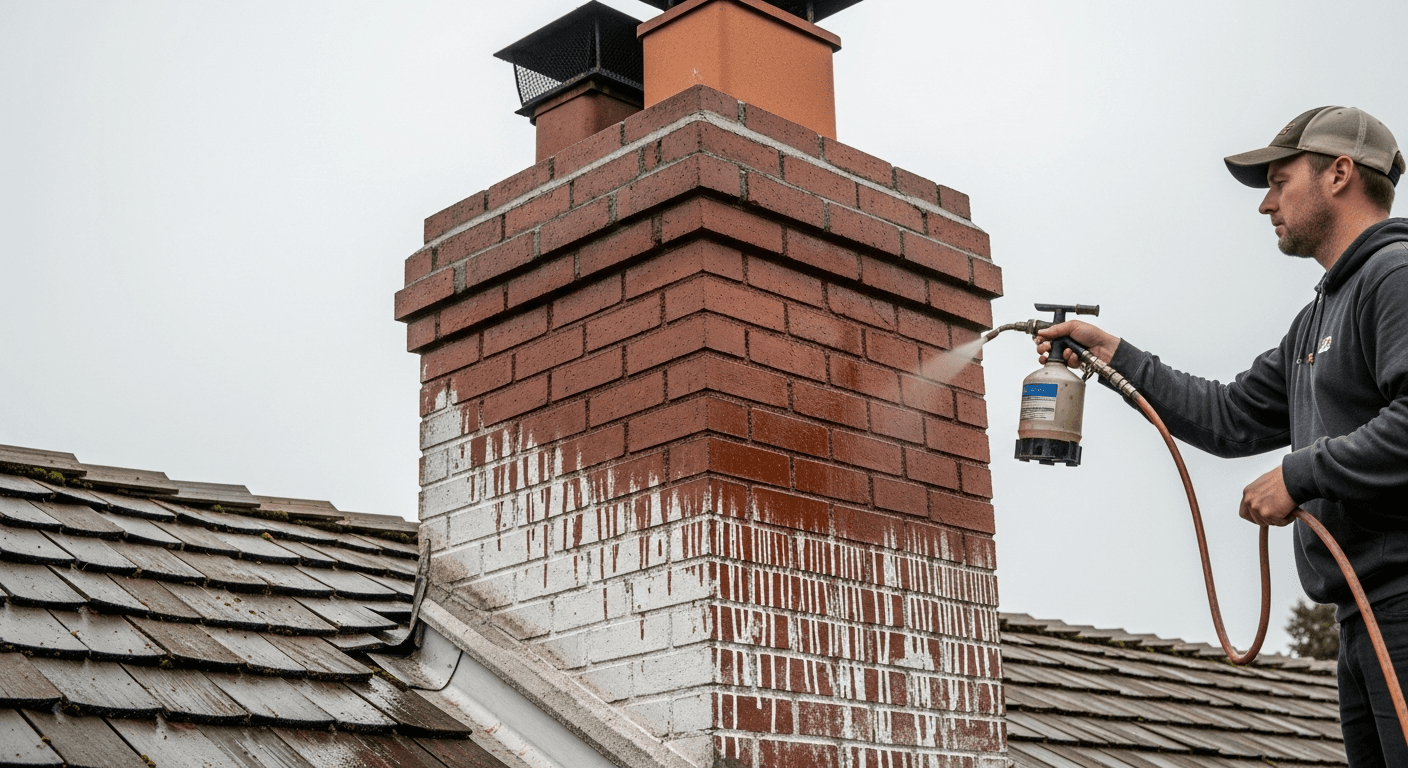
South Seattle's consistent rain and occasional freezing temperatures can take a toll on exterior masonry. Visually inspect your chimney's exterior for any signs of wear and tear, such as crumbling mortar joints, visible cracks in the bricks, or 'spalling' (where brick surfaces flake or peel off).
Addressing these issues, often through tuckpointing or masonry repair, is vital. Damaged masonry can allow water to seep into your chimney, leading to more extensive structural problems and interior water damage.
Inspect the Chimney Crown and Cap
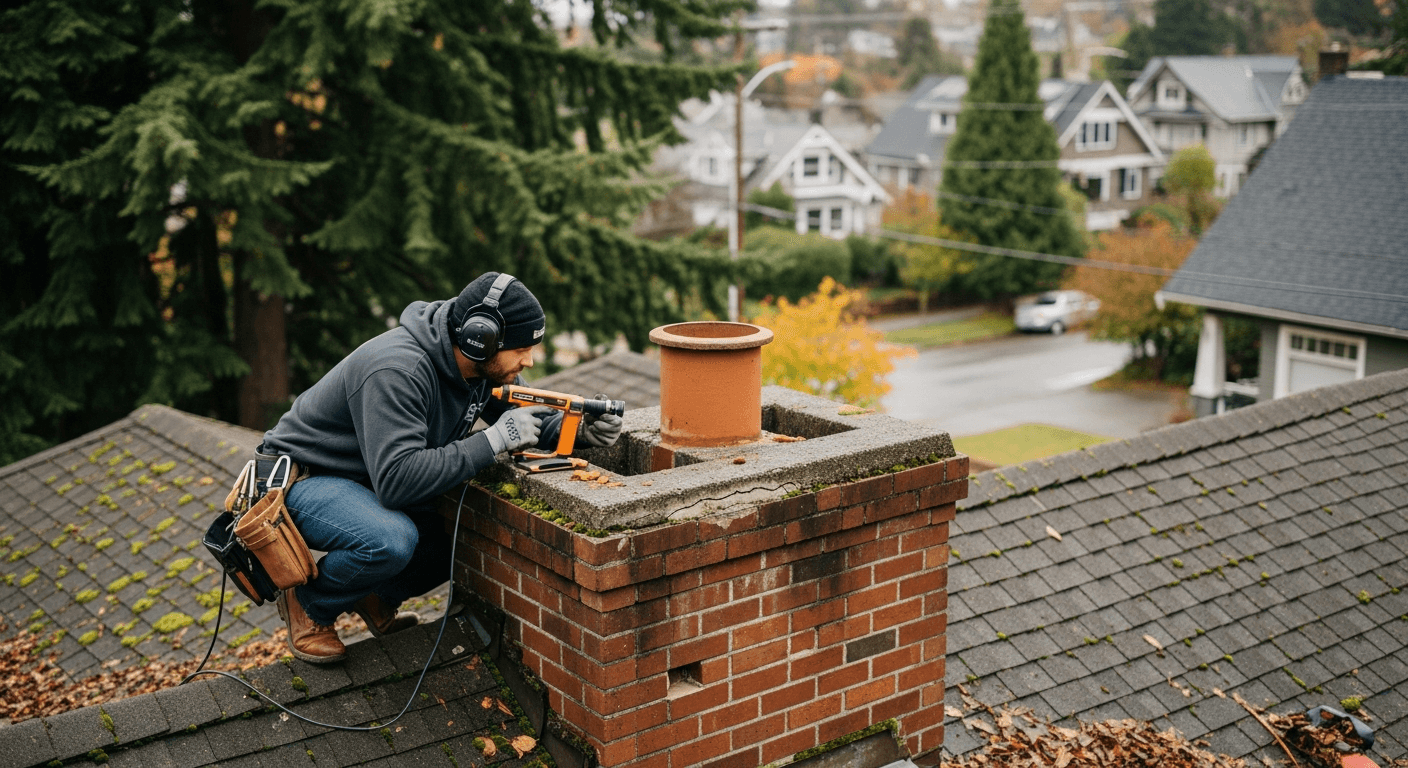
The chimney crown, the concrete slab at the very top of your chimney, acts as an umbrella, diverting water away from the flue and masonry. Check for cracks or deterioration, as these can allow water to penetrate the chimney structure. The chimney cap, mounted above the flue, prevents rain, debris, and animals from entering.
Ensure your cap is securely attached, free of damage, and clear of any animal nests. A missing or damaged cap is a common entryway for unwanted guests and moisture, both of which can lead to costly problems.
Examine the Flashing for Leaks
The flashing is the metal work that forms a watertight seal where your chimney meets your roof. Given our abundant PNW rainfall, deteriorated or improperly installed flashing is a frequent cause of roof leaks in South Seattle homes.
Inspect the flashing for rust, gaps, bends, or missing sections. Any compromise here means water can easily enter your attic or living space, leading to rot, mold, and costly interior damage. Prompt repair or replacement is essential.
Ensure Proper Ventilation and Damper Function
A clear, unobstructed flue and a fully functional damper are critical for efficient drafting and preventing smoke from entering your home. During your inspection, confirm that the flue is free of blockages.
Test your damper's operation; it should open and close smoothly and create a tight seal when closed to prevent heat loss when the fireplace is not in use. A malfunctioning damper can lead to poor draft or allow cold air to enter your home.
Gather Your Seasoned Firewood
If you burn wood, ensure you have a ready supply of dry, seasoned firewood. Seasoned wood, aged for at least six months to a year, burns hotter and more cleanly, producing less smoke and significantly less creosote buildup.
Burning wet or 'green' wood is a major contributor to creosote formation, increasing your risk of a chimney fire. Proper storage, off the ground and covered from rain, is crucial for maintaining well-seasoned wood through our damp winters.
Related services